Stocks steady after tariff shock as uncertainty drives gold to record highs
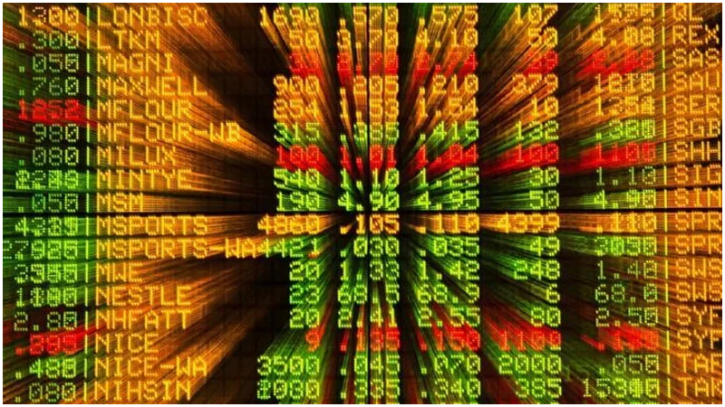
Asian equity markets stabilised on Wednesday following a turbulent start to the week triggered by renewed tariff threats from US President Donald Trump linked to Greenland, while heightened uncertainty pushed investors toward safe-haven assets, sending gold and silver to fresh record highs.
Markets had been rattled after Trump warned on Saturday that several European countries — including France, Germany, Britain and Denmark — could face tariffs of up to 25 percent for opposing his push to take over Greenland. The comments sparked fears of a transatlantic trade clash, with French President Emmanuel Macron raising the prospect of using a powerful but rarely deployed tool to counter economic coercion.
European Commission President Ursula von der Leyen, speaking at the World Economic Forum in Davos, warned that imposing punitive tariffs on allies over Greenland would be a mistake. In response, US Treasury Secretary Scott Bessent said on Monday that any retaliatory tariffs from the European Union would be unwise.
Global markets have fallen sharply this week, with Wall Street’s three major indexes plunging on Tuesday after reopening from a long weekend. Asian markets, however, showed a mixed performance in early trading on Wednesday. Tokyo, Sydney, Singapore, Taipei and Manila declined, while Hong Kong, Shanghai and Jakarta edged higher. US futures pointed upward.
Investor unease continued to fuel demand for precious metals. Gold climbed to a record $4,836.80 an ounce, while silver touched $95.89, as traders sought shelter from geopolitical and trade-related risks.
Attention has now turned to Trump’s scheduled appearance at the Davos forum later in the day. Analysts said markets are closely watching for any signals on potential negotiations over Greenland and the likelihood of new tariffs on European imports.
Bond markets also showed signs of calming after sharp moves a day earlier. Japanese government bond yields eased following Tuesday’s surge, which was sparked by Prime Minister Sanae Takaichi’s pledge to cut taxes and her announcement of a snap election on February 8. She said she would suspend an eight percent sales tax on food and beverages for two years if she secures a new mandate.
Her remarks had sent 40-year Japanese bond yields to record highs, marking the biggest single-day jump since Trump’s “Liberation Day” tariff announcement in April. The volatility prompted a call between US Treasury Secretary Scott Bessent and Japanese Finance Minister Satsuki Katayama.
Yields retreated on Wednesday after Katayama urged markets to remain calm, citing rising tax revenues and Japan’s lowest reliance on debt issuance in three decades. However, analysts cautioned that verbal intervention alone may not be enough to fully reverse market momentum.
Meanwhile, oil prices slipped, the dollar weakened slightly against major currencies, and investors remained cautious as they awaited further developments from Davos and Washington.
.png)