US begins using UK bases amid Iran conflict
The United States has begun using British military bases for certain operations related to the ongoing conflict with Iran, the UK government announced on Saturday.
Britain’s defence ministry said the US is using the bases for “specific defensive operations” aimed at preventing Iran from launching missiles into the region.
The conflict between the United States, Israel and Iran began on 28 February. UK Prime Minister Keir Starmer initially declined to involve Britain in the military campaign, a decision that reportedly frustrated US President Donald Trump.
However, Starmer later approved a US request to use two British military facilities for what the government described as a “specific and limited defensive purpose”. The bases include RAF Fairford in Gloucestershire, western England, and the joint UK-US base Diego Garcia Military Base in the Indian Ocean’s Chagos Islands.
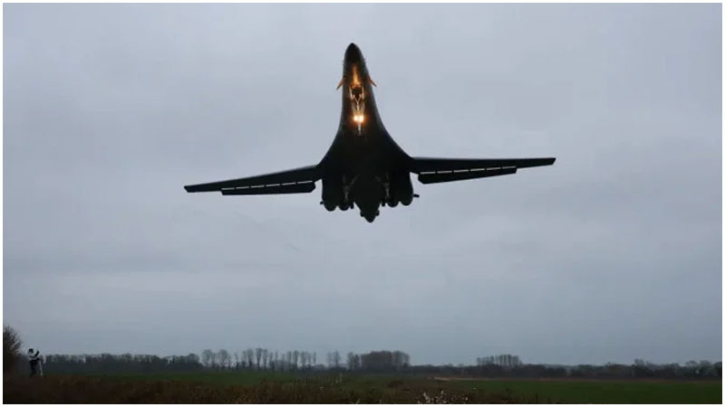
An B-1 Lancer bomber from the US Air Force was seen landing at RAF Fairford on Saturday, while a C-5 Galaxy transport aircraft was also spotted on the runway. Anti-war protesters gathered outside the base during the aircraft movements.
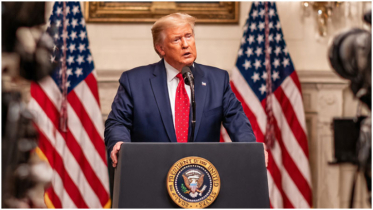
Trump had earlier criticized the UK’s initial stance, saying he was “not happy with the UK” and comparing Starmer unfavorably to wartime British leader Winston Churchill.
Starmer, a former human rights lawyer, defended his earlier decision by saying any UK military involvement must have a lawful basis and a carefully considered plan. He later justified allowing the US to use British bases by citing Iran’s retaliatory missile and drone attacks, which he said threatened British interests and allies in the region.
Lawmakers within Starmer’s ruling Labour Party remain cautious about military involvement due to the legacy of former prime minister Tony Blair’s support for the US-led 2003 invasion of Iraq.
A recent poll by Survation of 1,045 people found that 56 percent of respondents supported Starmer’s initial decision not to involve Britain in the strikes, while 27 percent believed the UK should have participated.
.png)