Trump struggles to explain why he launched another Middle Eastern war
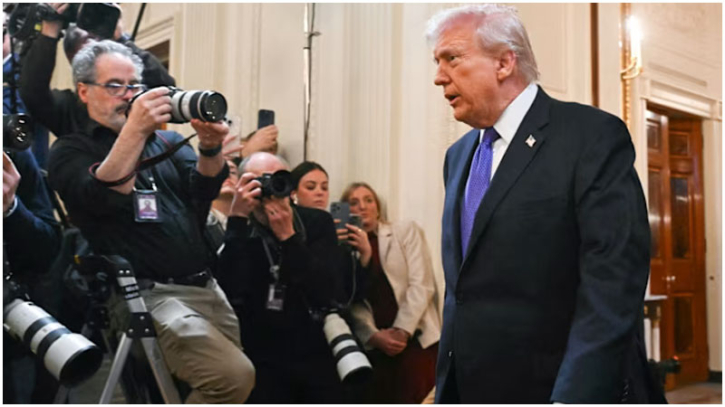
US President Donald Trump is facing growing scrutiny over what critics describe as inconsistent and shifting explanations for launching a new war in the Middle East.
Since the United States joined Israel in striking Iran over the weekend, Trump and senior officials have offered a range of justifications for the military action. These have included regime change in Tehran, dismantling Iran’s ballistic missile and nuclear programmes, protecting US troops from anticipated retaliation, countering Iran’s support for armed groups, and responding to threats against American forces.
On Monday, Secretary of State Marco Rubio said the US acted preemptively because it believed Israel was about to attack Iran and that Tehran would retaliate against American targets. “We knew that if we didn’t preemptively go after them before they launched those attacks, we would suffer higher casualties,” Rubio told reporters. House Speaker Mike Johnson echoed the claim.
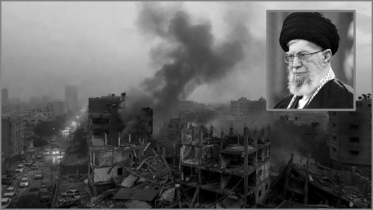
The conflict, which began Saturday with a strike that reportedly killed Iran’s supreme leader Ayatollah Ali Khamenei, has already escalated. Oil markets have been destabilised, shipping through the Strait of Hormuz has been severely disrupted, and hundreds of Iranians have been killed, according to the Red Cross. Six Americans have also died, with Trump warning that more casualties are possible.
Trump initially described the bombing campaign as “heavy and pinpoint” and said it would continue “uninterrupted throughout the week.” By Monday, however, he suggested the war could last longer than the initially projected four to five weeks, saying the US had the capability to extend operations and had “not even started hitting them hard.”
In remarks at the White House, Trump added that US objectives included preventing Iran from supporting “terrorist proxy groups abroad.” Meanwhile, Iranian retaliatory attacks have targeted Gulf cities and energy infrastructure, pushing oil prices sharply higher. Three US fighter jets were also reportedly downed by friendly fire over Kuwait.
Trump’s messaging has varied significantly. In a video address from Florida, he framed the conflict as a civilisational struggle and urged Iranians to “take over your government.” Yet shortly afterward, Republican allies said the US was not pursuing nation-building. Senator Lindsey Graham said it was not America’s role to choose Iran’s next government.
Despite that, Trump told The New York Times he had identified potential successors within Iran’s leadership, though he later said those individuals may have been killed in the strikes. “We don’t know who’s leading the country now,” he told CNN.
The shifting explanations have drawn criticism from Democrats, who argue that the administration lacks a clear strategy. Congressman Jake Auchincloss said Trump had offered multiple rationales within 72 hours, questioning whether such leadership inspires confidence. Senator Tim Kaine described the approach as breaking things without a clear plan to rebuild stability.
Even some figures aligned with Trump’s “Make America Great Again” movement have expressed concern. Erik Prince, founder of the private security firm Blackwater, questioned how the war aligns with Trump’s pledge to end “forever wars.” Influencer Matt Walsh wrote on social media that the administration’s messaging appeared confused and contradictory.
Rubio’s suggestion that the US was drawn in by Israel’s plans also drew criticism. Senator Brian Schatz argued that one country planning to attack another does not constitute an imminent threat to the United States, warning of parallels to past controversial justifications for war.
Analysts have raised doubts about the feasibility of reshaping Iran’s political system through air power alone. Kelly Grieco of the Stimson Center said the strategy appeared unclear, questioning whether potential leadership alternatives were viable or even aware of being considered.
As the conflict enters its early days, uncertainty over objectives and end goals has left allies and critics alike seeking clarity. Defense Secretary Pete Hegseth described the campaign as “laser-focused” on destroying Iran’s missile capabilities, naval assets and nuclear programme, and insisted it would not become an endless war. However, Rubio warned that the next phase of operations could be even more severe.
.png)