Oil prices climb further and stocks fall as Iran conflict deepens
Oil prices extended their gains on Tuesday while stock markets across Asia declined, as investors monitored the escalating conflict in the Middle East. The United States and Israel continued their bombardment of Iran, and Tehran launched additional missile and drone strikes on neighbouring countries.
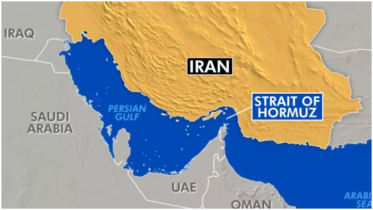
The fighting has disrupted regional energy flows and heightened concerns over the Strait of Hormuz, a key shipping route through which about a fifth of global oil supplies pass. Although not formally declared closed, the strait has effectively been constrained, fuelling fears of a new energy crisis that could drive up inflation worldwide.
Despite the severity of the conflict, market reactions have remained relatively measured so far, with investors hoping the crisis will be short-lived and avoid causing lasting damage to the global economy. However, analysts warned that a prolonged conflict could strain supply chains and push energy prices sharply higher.
US President Donald Trump said the war, which began Saturday with a strike that reportedly killed Iran’s supreme leader Ayatollah Ali Khamenei, was progressing “substantially” ahead of schedule but could last more than four weeks. He outlined objectives including destroying Iran’s missile systems, naval assets and nuclear programme, as well as curbing its support for armed groups in the region, but did not call for regime change.
The US State Department advised Americans to leave the Middle East from Egypt eastward, underscoring the rising security risks.
Iran has responded with missile and drone attacks targeting locations in Lebanon, Saudi Arabia, Qatar and Dubai, while threatening to escalate energy disruptions. A commander in Iran’s Revolutionary Guards warned that any ship attempting to navigate the Strait of Hormuz could be attacked and predicted oil prices could soar to $200 per barrel.
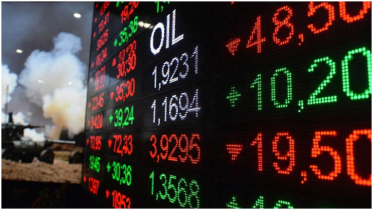
Oil prices surged nearly 14 percent on Monday before easing slightly, but both Brent crude and West Texas Intermediate were up around one percent again on Tuesday. European natural gas prices also jumped sharply after Qatar’s state-run energy company halted liquefied natural gas production.
Rising energy costs pose a dilemma for central banks that are trying to contain inflation while also supporting economic growth through lower interest rates. Analysts noted that a sustained energy shock could create stagflation — a combination of weak growth and high inflation — complicating policy decisions.
Equity markets extended losses across much of Asia. Seoul fell more than two percent after a long weekend, while Tokyo, Hong Kong, Shanghai, Sydney and other regional markets also declined. Airline stocks were among the hardest hit, with major carriers in Japan, Hong Kong and Australia posting notable losses amid concerns about fuel costs and regional instability.
In the United States, the Dow Jones Industrial Average closed down 0.2 percent, while London’s FTSE 100 fell 1.2 percent, reflecting ongoing global market caution.
.png)