BD govt moves to renegotiate Hasina-era power deals amid fiscal strain
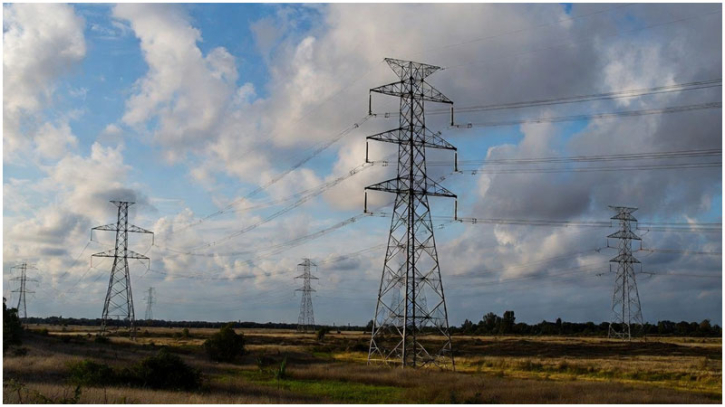
The government has begun an initiative to renegotiate power agreements signed during the tenure of former prime minister Sheikh Hasina, arguing that many of the contracts undermined national interests and contributed to growing financial pressure in the energy sector.
Speaking to reporters at the Secretariat on 24 February, Power, Energy and Mineral Resources Minister Iqbal Hasan Mahmud Tuku said the state must “bring sovereignty back” by revisiting power purchase agreements concluded under the previous administration.
He said electricity and sovereignty are closely linked and indicated that several deals had effectively transferred excessive control to private producers. According to the minister, the aim is to secure fairer terms through renegotiation rather than unilateral cancellation.
A recent report by the National Review Committee on power contracts found that a number of agreements were shaped by favoritism and lacked competitive, transparent processes. It warned that long-term contracts signed under the Quick Enhancement of Electricity and Energy Supply (Special Provisions) Act remain binding and continue to affect fiscal and pricing outcomes.
Tuku acknowledged that abrupt unilateral action could trigger international legal disputes, including arbitration proceedings in forums such as the Singapore International Arbitration Centre. He emphasized dialogue and negotiation as the preferred path.
Industry representatives have signaled support for talks. David Hasanat, president of the Bangladesh Independent Power Producers' Association, welcomed the move, saying some contracts appear inequitable and should be reviewed. He noted disparities in tariffs for plants with similar specifications.
Energy expert M Tamim also backed a negotiated approach, saying most projects are already mature and could be addressed through mutual agreement.
Sector insiders have long pointed to high generation costs, particularly from oil-fired plants and underutilized gas-fired facilities, where significant fixed capacity payments have increased fiscal burdens. As reserve margins expanded in recent years, capacity payments rose accordingly, intensifying financial strain.
The minister described the current state of the power and energy sector as highly challenging, citing debt, irregularities and corruption. He noted that many agreements were protected by sovereign guarantees, limiting the government’s flexibility.
The National Review Committee cautioned that policymakers face difficult trade-offs. Aggressive unilateral action could undermine investor confidence and lead to costly legal battles, while inaction risks continued fiscal drain and declining competitiveness.
In the short term, Tuku said the government’s priority is to ensure stable electricity supply during Ramadan, the summer peak and the irrigation season. Plans to maintain supply stability will be announced soon.
Looking ahead, he indicated a strategic shift toward cleaner energy, saying renewable power will be prioritized in future expansion plans.
Addressing concerns about subsidies and outstanding payments to power producers, the minister said the ministry is grappling with heavy debt accumulated over time. Efforts are underway to clear arrears, though he stressed that the new government has only recently taken office and will need time to assess broader subsidy reforms.— The Business Standard.
.png)