Asian stocks mixed as investors assess AI concerns and tariff uncertainty
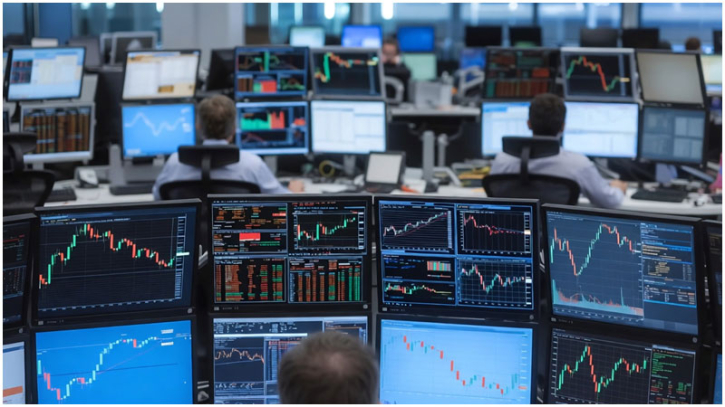
Asian equity markets were mixed on Tuesday as investors weighed renewed concerns about artificial intelligence’s impact on the tech sector alongside uncertainty surrounding US trade policy after a recent Supreme Court ruling.
Regional markets have largely absorbed the court’s decision that President Donald Trump could not use a specific legal provision to impose sweeping tariffs. Some countries have benefited from lower duties later introduced under a separate authority.
However, the ruling has raised questions about the status of trade agreements reached since Trump’s “Liberation Day” tariff announcement in April. The European Union has called for clarity before ratifying its own agreement with Washington.
On Monday, Trump warned on social media that countries that “play games” following the ruling would face higher tariffs than those recently agreed.
Japan said Tuesday it would adhere to a trade pact concluded last year.
Market observers suggested that while tariff-related tensions could persist into 2026, the impact may not be as disruptive as last year’s volatility.
“While the legal means through which tariffs are implemented may change, the macroeconomic ends will remain largely the same,” said Michael Brown of Pepperstone. He added that the broader effects on growth, unemployment, inflation and policy outlooks are likely to be limited.
Investor sentiment in Asia was also dampened by fresh anxiety over artificial intelligence and its potential disruption to established technology firms. Software companies were particularly pressured.
Concerns intensified after a report by Citrini Research outlined possible future scenarios in which sectors such as credit card services and food delivery could face risks from advancing AI tools.
Adding to the cautious mood, AI company Anthropic said its Claude chatbot could help modernize the COBOL programming language used in legacy systems such as those developed by IBM. Shares of IBM fell more than 13 percent in New York.
Stephen Innes of SPI Asset Management said markets were rapidly shifting focus from tariff developments to the possibility that AI-driven automation could upend traditional business models.
Earlier this month, Anthropic introduced a new model that it said could replace multiple software tools, including those used for legal and data marketing functions. That announcement added to concerns over the large investments being made in AI infrastructure by major firms such as Microsoft and Meta, and uncertainty about when returns might materialize.
On Wall Street, the three main indexes each dropped at least one percent. In Asia, performance was more varied.
Seoul, one of this year’s standout markets due to strong gains in chipmakers such as Samsung and SK hynix, rose more than one percent to a fresh record. Tokyo also advanced after reopening from a long weekend.
Shanghai climbed as it returned from a week-long holiday, while Wellington, Taipei and Jakarta posted gains.
In contrast, Hong Kong, Sydney, Singapore and Manila retreated.
The cautious tone supported demand for safe-haven assets. Gold held onto gains from the previous session, trading near $5,200, while bitcoin hovered just above $64,000 after slipping from around $68,000.
In currency markets, the dollar edged higher against the yen, while the euro and pound both weakened slightly against the US currency. Oil prices posted modest gains, with both West Texas Intermediate and Brent crude rising about 0.2 percent.
.png)