Trump raises global US tariff rate to 15%
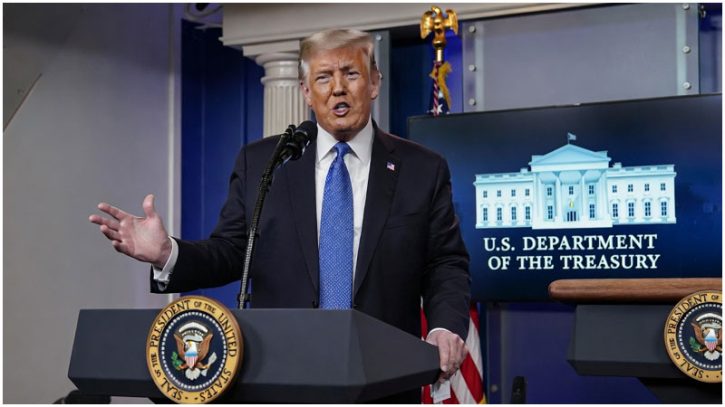
US President Donald Trump on Saturday increased the global tariff on imports into the United States to 15 percent, escalating his trade policy a day after the Supreme Court ruled that much of his tariff program was illegal.
In a post on Truth Social, Trump said the administration was lifting import duties “to the fully allowed, and legally tested, 15% level” following what he described as an “extraordinarily anti-American decision” by the court. The move replaces an earlier 10 percent global levy he had announced shortly after the ruling, citing a different legal authority.
The Supreme Court, in a 6-3 decision, rejected Trump’s use of a 1977 economic emergency powers law to impose sweeping tariffs. The ruling marked a significant blow to one of the president’s signature economic policies, which has disrupted global trade flows and triggered tensions with key partners.
The new 15 percent duty is temporary under the law and can remain in effect for up to 150 days. According to a White House fact sheet, exemptions will continue for sectors under separate investigations, including pharmaceuticals, as well as goods covered by the US-Mexico-Canada Agreement.
The ruling does not affect sector-specific tariffs already imposed on steel, aluminum and other products, and ongoing government investigations could result in additional targeted duties.
Trump sharply criticized the justices who formed the majority in the ruling, while praising conservative justices Clarence Thomas, Samuel Alito and Brett Kavanaugh for supporting his authority to levy tariffs. He accused the majority of being influenced by foreign interests, intensifying his rhetoric against the court.
Financial markets reacted calmly to the decision, with Wall Street shares posting modest gains on Friday. Business groups largely welcomed the ruling, saying it offered greater clarity for companies navigating shifting trade policies.
The court did not address whether companies that paid tariffs later deemed unlawful would be entitled to refunds. Administration officials had previously suggested refunds could be issued, but Trump indicated that legal battles over the matter could continue for years.
Several countries said they were reviewing both the Supreme Court decision and Trump’s latest tariff move. German Chancellor Friedrich Merz announced plans to coordinate with European partners on a joint response ahead of a visit to Washington in early March.
Domestically, Pennsylvania Governor Josh Shapiro urged Trump to respect the court’s decision and end what he called chaotic tariff policies that are affecting farmers, small businesses and families.
The latest increase adds to uncertainty in global markets as the administration continues to adjust tariff levels in an ongoing trade strategy that has reshaped US economic relations over the past year.
.png)