Japan inflation slows in boost for PM Sanae Takaichi
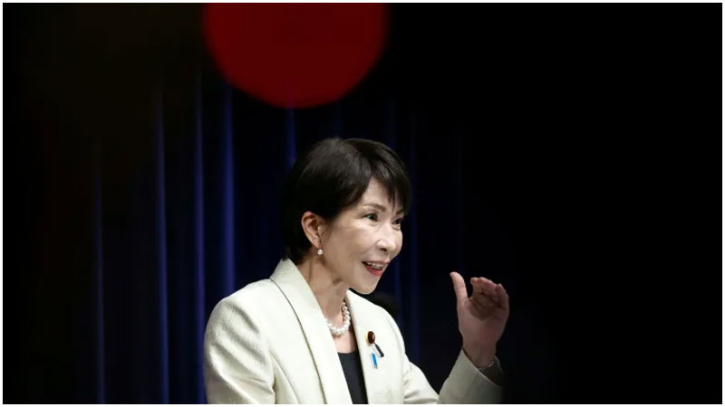
Japan’s inflation rate eased in January, offering relief to Prime Minister Sanae Takaichi following her recent landslide election victory.
Government data released Friday showed that core consumer prices, which exclude fresh food, rose 2.0 percent year-on-year — the slowest pace in two years — down from 2.4 percent in December and in line with market expectations.
When energy prices are also excluded, inflation slowed to 2.6 percent from 2.9 percent. Headline inflation stood at 1.5 percent, compared with 2.1 percent the previous month.
Fuel costs helped drive the slowdown, with petrol prices falling 14.6 percent, partly due to government subsidies. However, food prices excluding fresh produce climbed 6.2 percent, while rice prices — which doubled last year — surged 27.9 percent.
Analysts said inflation could moderate further in the coming months as expanded energy subsidies take effect. Abhijit Surya of Capital Economics said headline inflation may ease to just above 1 percent in February and March, adding that the Bank of Japan is unlikely to rush into interest rate hikes, though a move by mid-year remains possible.
Takaichi, who secured a historic two-thirds parliamentary majority in snap elections earlier this month, is scheduled to deliver a policy speech later Friday. A Yomiuri newspaper poll showed cabinet support rising to 73 percent, her highest level so far.
She is expected to reiterate her campaign pledge to suspend consumption tax on food for two years to help households cope with rising living costs. However, the proposal has heightened concerns over Japan’s massive public debt, with long-term government bond yields reaching record highs last month.
To address fiscal concerns, Takaichi has pledged to pursue what she calls a responsible and proactive fiscal policy while working to reduce debt. Media reports suggest she will also propose forming a cross-party national council to debate taxation and funding for Japan’s expanding social security system amid a rapidly ageing population.
On foreign policy, the government is expected to seek updates to Japan’s decade-old “Free and Open Indo-Pacific” strategy. Foreign Minister Toshimitsu Motegi said the regional security environment has become increasingly severe, with new challenges emerging in economic security and competition over advanced technologies.
The updated strategy is likely to emphasize strengthening resilient supply chains for critical minerals and enhancing maritime security cooperation in the region.
Tensions with China remain a sensitive issue. Beijing has criticized remarks from Japanese officials regarding Taiwan and regional security. China’s top diplomat Wang Yi recently accused forces in Japan of attempting to “revive militarism,” highlighting growing geopolitical friction.
Domestically, Takaichi is also expected to outline plans for a new National Intelligence Agency to consolidate information currently gathered by various government bodies. While the proposal aims to address rising global instability, some commentators have warned that any expansion of intelligence powers must safeguard citizens’ rights.
The government’s immediate priority, however, will be securing parliamentary approval for the new fiscal year budget before it begins on April 1, after the legislative process was delayed by the election.
.png)