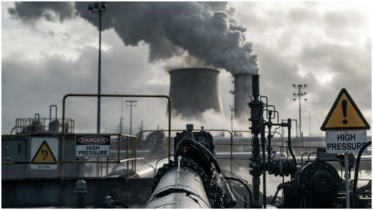
Limited options for US as oil prices surge amid Iran conflict
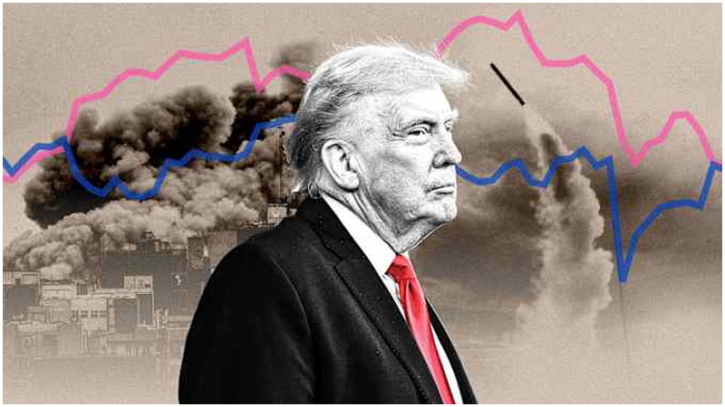
The United States is facing limited options to bring down sharply rising oil prices caused by the conflict with Iran, with experts warning that the most effective solution would be quickly restoring safe passage through the Strait of Hormuz.
Oil markets have been rattled by Iran’s threats to attack ships traveling through the strategic waterway, through which roughly one-fifth of the world’s oil supply normally passes. As maritime traffic slowed dramatically, global crude prices surged. Brent crude closed at $92.69 per barrel on Friday, rising 28 percent over the week to its highest level since 2023, while the US benchmark West Texas Intermediate climbed 36 percent to $90.90 per barrel, its largest weekly jump since 1983.
The Trump administration has rolled out several measures aimed at stabilizing markets. These include plans to insure and escort tankers through the Strait of Hormuz and temporarily easing sanctions on Russian oil shipments that have been stranded at sea. Officials have also explored increasing oil production in the United States and Venezuela and briefly discussed a plan to trade oil futures before abandoning the idea.
However, industry leaders say these measures would likely have only limited effects on prices unless shipping through the strait resumes. Mike Sommers, chief executive of the American Petroleum Institute, said the primary focus should be on reopening the waterway. According to him, none of the other policy tools would provide the level of stability needed for global economies.
The price surge comes at a politically sensitive time for the White House, as rising fuel costs threaten to deepen an already difficult cost-of-living situation for American consumers. The administration has also been facing criticism over tariffs on foreign goods, which some economists say have added to inflation pressures.
The crisis has also exposed limits in Washington’s emergency oil reserves. The Strategic Petroleum Reserve is significantly smaller after former president Joe Biden authorized large releases in 2022 to lower prices following Russia’s invasion of Ukraine. Although Donald Trump pledged to refill the reserve after returning to office, that effort has not yet been completed.
Republican congressman August Pfluger of Texas warned that the reduced stockpile leaves the United States more vulnerable during an energy crisis. He argued that the earlier drawdowns weakened long-term energy security.
White House officials, however, say a release from the reserve is not currently being considered. Kevin Hassett, director of the National Economic Council, said the administration believes that decisive military action against Iran’s ability to threaten shipping will eventually calm markets.
The administration has also pointed to increased oil production in Venezuela as a potential source of additional supply after the US took control of the country’s oil operations earlier this year following the removal of leader Nicolás Maduro.
In another move to increase supply, the US Treasury temporarily eased sanctions on Russian crude exports to India. Treasury secretary Scott Bessent said that hundreds of millions of barrels of Russian oil are currently stranded on ships and that relaxing sanctions could help bring those supplies into the market.
Washington has also announced a $20 billion reinsurance program through the Development Finance Corporation to help cover tankers traveling through the Strait of Hormuz. However, insurance specialists have questioned whether the agency can provide sufficient coverage to reassure shipowners.
Shipping activity in the strait remains far below normal levels. Fewer than 50 vessels crossed the waterway during the past week, while around 500 oil and gas tankers remain stuck in nearby waters. Shipowners say they will need stronger security guarantees before sending ships and crews back into the area.
Some market analysts warn that unless the strait is reopened quickly, oil prices could climb even higher. Goldman Sachs has warned that crude could exceed $100 per barrel next week if there are no signs of a resolution.
Other observers argue the administration’s strategy reflects a longer-term view. Dan Brouillette, who served as energy secretary during Trump’s first term, said the current disruption could be temporary and that removing Iran’s ability to threaten the strait could bring lasting benefits to global energy markets.
.png)