IMF chief warns Middle East war could test global economic stability
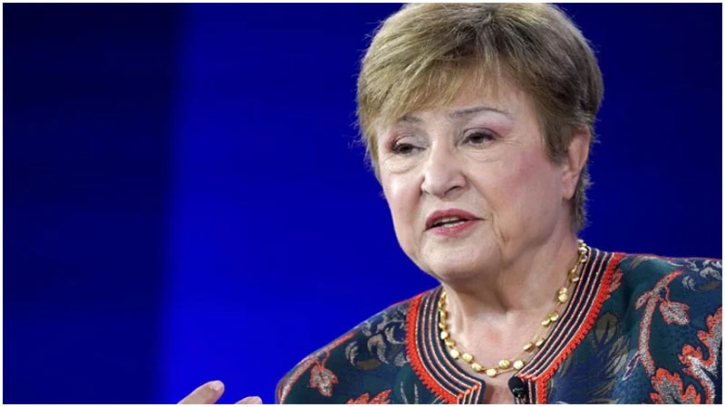
The head of the International Monetary Fund (IMF) has warned that the latest conflict in the Middle East could put global economic resilience under renewed pressure, particularly if the war continues for an extended period.
Speaking via livestream at the “Asia in 2050” conference in Bangkok on Thursday, IMF Managing Director Kristalina Georgieva said the escalating conflict could have far-reaching consequences for the global economy. She cautioned that prolonged hostilities could affect energy prices, market confidence, economic growth and inflation, creating additional challenges for policymakers around the world.
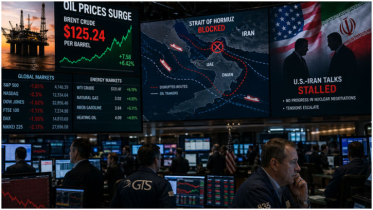
The United States and Israel began launching strikes against Iran on Saturday, killing the country’s supreme leader and triggering a wave of retaliatory attacks across the Gulf region. The conflict has unsettled global financial markets and pushed oil prices sharply higher.
Georgieva said the situation highlights the growing number of unpredictable shocks facing the global economy. According to her, uncertainty has increasingly become a defining feature of the current economic environment.
She added that the world may be entering a prolonged period of instability, where unexpected crises become more frequent and difficult to manage.
Energy security remains a major concern, particularly for Asian economies that rely heavily on imported fuel. Georgieva noted that energy markets have fluctuated dramatically in recent days due to the conflict.
She stressed that a quick end to the crisis would be beneficial not only for the region but for the global economy as a whole.
.png)