EU set to unveil ‘Made in Europe' rules to boost industry despite divisions
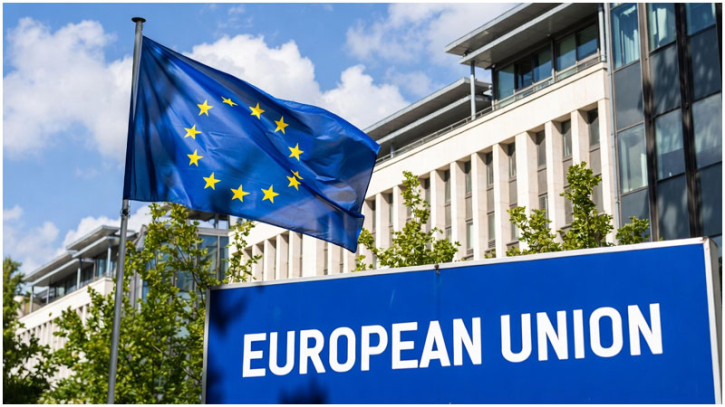
The European Union is preparing to introduce new “Made in Europe” rules aimed at strengthening domestic production and protecting key industries from intense global competition, particularly from China. The long-delayed proposal is expected to be unveiled despite internal disagreements and concerns from some member states and international partners.
Efforts to enhance the EU’s competitiveness have gained momentum since the Covid-19 pandemic and the surge in energy prices following the war in Ukraine exposed the bloc’s vulnerability to supply chain disruptions. Brussels argues that greater industrial self-reliance is essential to shield Europe from future shocks.
Under the proposed measures, companies seeking public funding would need to meet minimum thresholds for EU-made components in designated “strategic sectors.” These sectors are expected to include automobiles, green technologies, and energy-intensive industries such as aluminium and steel.
For example, electric vehicle manufacturers may be required to ensure that at least 70 percent of vehicle components are produced within the EU to qualify for public subsidies, according to a draft of the proposal that could still be revised.
The initiative, formally known as the Industrial Accelerator Act, has been championed by France and will be presented by EU industry chief Stephane Sejourne. However, it must still be approved by EU member states and the European Parliament before taking effect.
Supporters argue that without stronger safeguards, Europe risks losing its industrial base. Critics, including Germany, have suggested a broader “Made with Europe” strategy that would involve trusted trade partners rather than focusing solely on EU production.
The proposed rules have also raised concerns outside the bloc, with countries such as Britain, Canada, Japan and Turkey wary about potential trade restrictions.
In addition to local content requirements, the proposal includes stricter screening of foreign investment. Investments exceeding 100 million euros in emerging strategic sectors like batteries and electric vehicles would face additional conditions if the investor comes from a country controlling more than 40 percent of global production capacity in that sector — a threshold widely seen as targeting China.
Foreign investors meeting that criterion would be required to employ at least 50 percent EU workers, limit their ownership stake to below 50 percent in the relevant EU company, and share technological expertise.
EU officials and some policy experts defend the measures as necessary to strengthen Europe’s industrial capabilities, arguing that access to the EU’s large single market justifies such conditions. Others, however, contend that the bloc already has tools to counter unfair competition, including regulations that allow investigations into foreign subsidies.
The “Made in Europe” plan is part of a broader push to restore Europe’s competitive edge. Later this month, the EU is also expected to propose a pan-European legal framework for start-ups to simplify business creation across its 27 member states and support innovation, particularly in green technology.
.png)