EU struggles to secure US and G7 support for new Russian oil sanctions
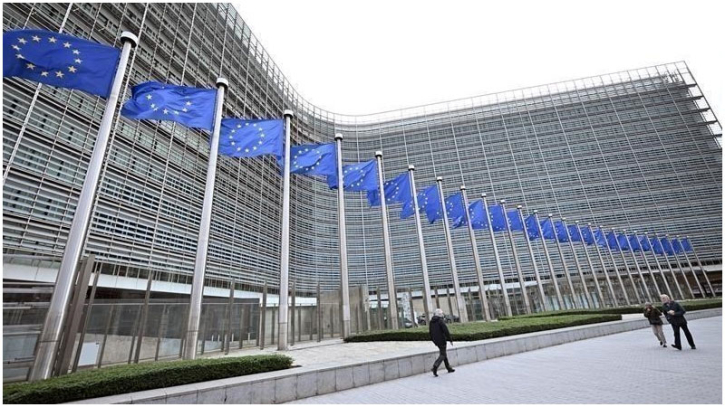
The European Union has been unable to secure backing from the United States and other G7 members for a coordinated plan to tighten restrictions on Russian oil exports as part of its proposed 20th sanctions package, a diplomatic source in Brussels said Monday.
According to the source, who spoke to Russian state news agency Tass, Brussels outlined a proposal to Washington and other G7 capitals seeking broader measures aimed at limiting the transport and servicing of Russian oil shipments.
Under the proposal, the European Commission would prohibit European companies from transporting Russian oil and from providing maintenance, supplies, financing or insurance services to tankers carrying Russian crude, regardless of the vessels’ flag. EU officials encouraged G7 partners to introduce similar restrictions on their own firms.
However, the United States declined to support the initiative, the diplomat said. The source added that Washington could still consider introducing its own measures independently and on its own timeline.
Other G7 countries indicated that joining the EU’s sanctions effort remained a possibility but stopped short of offering firm commitments, the source noted.
Since Russia launched its full-scale invasion of Ukraine in February 2022, it has become the most sanctioned country in the world, surpassing countries such as Iran, Syria and North Korea.
Sanctions-tracking data show that more than 16,500 restrictive measures have been imposed on Moscow, targeting individuals, companies, vessels and aircraft as Western governments seek to limit the Kremlin’s ability to finance its war effort.
.png)