Bangladesh to take prudent steps for macroeconomic stability
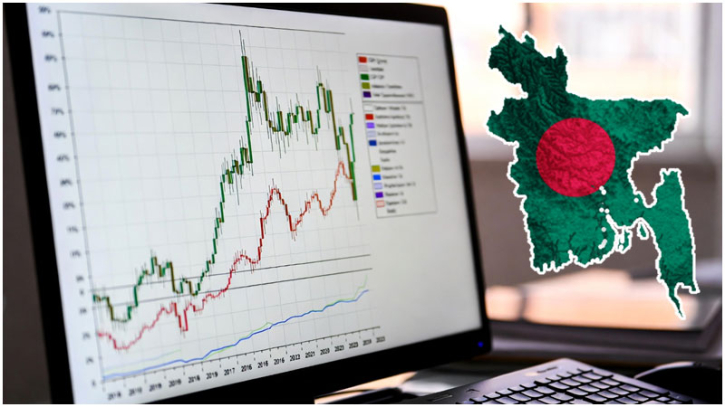
The General Economics Division of the Planning Commission of Bangladesh has called on the new government to adopt careful measures to ensure macroeconomic stability. Key priorities include attracting investment, creating jobs, controlling inflation, and boosting investor confidence.
The GED’s latest economic update emphasized the need for improved implementation of the Annual Development Programme, maintaining debt sustainability, and ensuring consistent policies to support long-term growth. The report also highlighted the government’s planned Family Card programme as a step toward strengthening social protection for vulnerable groups.
The slowdown in growth has been linked to weak project preparation, procurement delays, land disputes, and coordination challenges. Despite these domestic hurdles, Bangladesh’s external sector showed relative stability, with foreign exchange reserves at approximately $33.18 billion in January 2026 and strong remittance inflows of $3.17 billion, up from $2.19 billion in the same month last year. Remittances are expected to rise further during Ramadan.
Merchandise exports grew, led by the ready-made garments sector, with RMG exports increasing from $3.23 billion in December to $3.61 billion in January. Non-RMG exports also rose to $798.9 million. However, imports of capital machinery remained low, indicating weak private investment.
Inflation remained persistent at the start of 2026, rising slightly to 8.58 percent in January from 8.49 percent in December, driven mainly by higher prices of fish, fruits, and vegetables. Food inflation increased to 8.29 percent, while non-food inflation moderated to 8.81 percent. Rice prices eased, reducing rice’s contribution to food inflation from 37.34 percent in December to 22.16 percent in January, but rising costs of vegetables, fruits, and fish kept overall food inflation elevated.
The GED noted that inflation continues to outpace stagnant wage growth, putting pressure on household purchasing power. Wage growth was 8.08 percent in January, slightly above December’s 8.07 percent, creating a widening gap with rising prices. Coordinated wage and price management was recommended to protect living standards.
Revenue collection by the National Board of Revenue showed modest gains, reaching Tk 37,033 crore in January against a revised target of Tk 52,545 crore, achieving 70.48 percent of the target. Shortfalls were noted in import and export duties, domestic VAT, and income and travel taxes.
Weak ADP implementation remains a concern, with FY2025-26 on track to record one of the lowest rates in recent years despite accelerated spending in the final months.
.png)