Asian stocks tumble as oil surges amid escalating Middle East conflict
Asian stocks tumble as oil surges
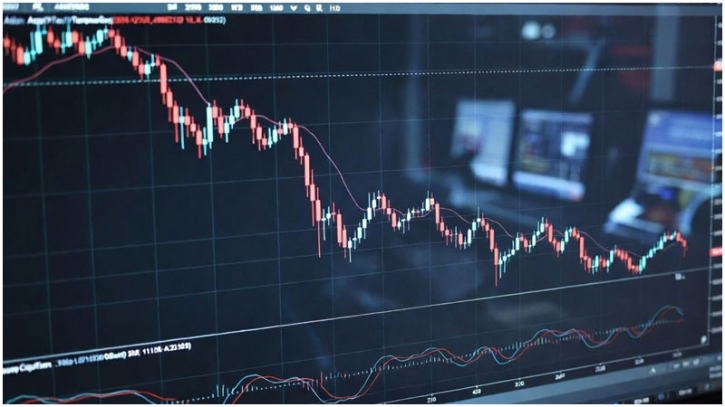
Asian stock markets fell sharply on Monday as oil prices jumped around 30 percent, driven by growing fears about disruptions to Middle Eastern energy supplies as the U.S.-Israeli war with Iran entered its second week with no clear sign of easing.
Investor sentiment was already fragile due to concerns over high technology stock valuations and massive spending on artificial intelligence. The surge in oil prices triggered a broader sell-off as crude reached its highest levels since the 2022 Russian invasion of Ukraine.
Concerns about a prolonged conflict intensified after U.S. President Donald Trump said the war would end only with Iran’s “unconditional surrender.” He also described the recent rise in oil prices as a “small price to pay” for eliminating Iran’s nuclear threat, while the White House maintained that the price increase would be temporary.
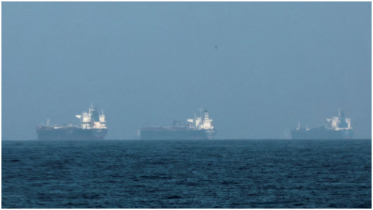
Oil prices, which had already surged more than 25 percent last week, climbed further after Iran launched retaliatory strikes against oil-producing Gulf countries.
The possibility that the conflict could damage the global economy pushed equity markets deeper into losses across the region.
South Korea’s Seoul market, which had been among the strongest performers this year due to a technology rally, dropped more than eight percent at one point. Tokyo’s Nikkei index fell around seven percent, while Taiwan’s Taipei market declined by more than five percent.
Markets in Hong Kong, Shanghai, Sydney, Singapore, Manila and Wellington also recorded significant declines.
Futures for the three major U.S. stock indexes were down more than two percent, while the U.S. dollar strengthened against other currencies as investors moved toward safe-haven assets.
Stephen Innes of SPI Asset Management said the economic shock was spreading across the global production chain.
He noted that Gulf producers were reducing output as storage hubs filled up and export flows slowed. Qatar has reportedly halted liquefaction at key gas facilities, a move that could take weeks to reverse even if tensions ease.
According to Innes, the market is not just reacting to headlines but to a physical disruption of oil supplies. He warned that oil prices above $100 per barrel effectively act as a tax on the global economy.
Despite market turmoil, Trump sought to reassure investors, saying the rise in oil prices would be temporary and would fall once Iran’s nuclear threat was removed.
“Short-term oil prices… is a very small price to pay for U.S.A. and world safety and peace,” he wrote on social media.
Michael O’Rourke of JonesTrading warned that market volatility could continue. He said investors were likely to maintain a risk-off approach until there is concrete positive news.
Adding to the negative sentiment were recent U.S. economic reports showing the economy unexpectedly lost jobs in February and the unemployment rate increased slightly. Another report indicated a decline in U.S. retail sales.
By around 0230 GMT, West Texas Intermediate crude had risen 27.6 percent to $116.00 per barrel, while Brent crude was up 25.5 percent at $116.27.
South Korea’s Kospi index was down 7.9 percent at 5,141.76, Tokyo’s Nikkei 225 had dropped 7.0 percent to 51,740.46, Hong Kong’s Hang Seng index fell 3.2 percent to 24,926.62, and Shanghai’s Composite index declined 1.3 percent to 4,070.90.
In currency markets, the euro weakened to $1.1520 from $1.1604 on Friday, the British pound slipped to $1.3298 from $1.3385, and the dollar rose to 158.70 yen from 157.88 yen.
In previous trading, the Dow Jones Industrial Average in New York closed down 1.3 percent at 47,501.55, while London’s FTSE 100 ended 1.2 percent lower at 10,284.75.
.png)