Oil prices drop after Trump warns Iran over Strait of Hormuz
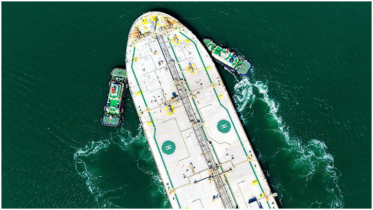
Oil prices fell on Tuesday after US President Donald Trump warned Iran not to disrupt shipping through the Strait of Hormuz, a key route for global energy supplies.
In a message on social media, Trump said the United States would respond forcefully if Iran attempted to block the vital waterway. He warned that if Iran stopped the flow of oil through the strait, it would face consequences “twenty times harder” than previous actions taken against it.
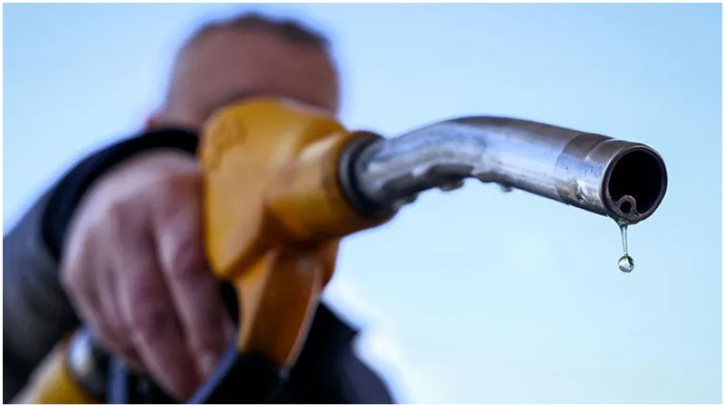
During late morning trading in Asia, Brent crude dropped 6 percent to $93.05 per barrel, while Nymex Light Sweet crude fell 6.1 percent to $88.96.
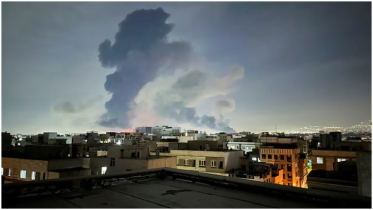
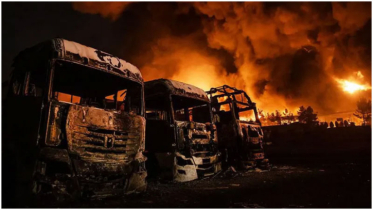
Oil prices had surged to nearly $120 per barrel on Monday amid fears that the ongoing US-Israeli war with Iran could significantly disrupt Middle Eastern oil supplies. However, prices retreated after Trump suggested the conflict might be short-lived.
Speaking at a news conference in Florida, Trump said the recent military actions were necessary but would likely prove temporary. He indicated that the conflict could soon come to an end.
Analysts say the decline in oil prices has given traders some relief, though uncertainty still dominates energy markets. Alberto Bellorin of investment firm InterCapital Energy described the current situation as a “total tug-of-war,” warning that prices could quickly rise again if tensions escalate or fall if the conflict begins to ease.
Stock markets across Asia rose following the drop in oil prices and easing concerns about the economic impact of the conflict. Japan’s Nikkei 225 index climbed 3.3 percent, Hong Kong’s Hang Seng gained 1.7 percent, and South Korea’s Kospi jumped 6.2 percent.
Regional markets had fallen sharply the previous day as investors feared that disruptions to oil shipments from the Gulf could fuel inflation and force central banks to raise interest rates.
The Strait of Hormuz remains a critical chokepoint for global energy markets, with roughly one-fifth of the world’s oil supply passing through the narrow channel.
Although prices have retreated from Monday’s peak, oil remains around 20 percent higher than before the United States and Israel launched airstrikes on Iran more than a week ago, according to Park Kee Hyun of the S Rajaratnam School of International Studies.
Park said oil prices are likely to remain volatile as shipping companies add risk premiums to account for the possibility of further escalation in the region.
While Trump’s comments hint at the possibility of the conflict ending soon, analysts say the key question is whether those remarks will be followed by concrete developments on the ground.
Meanwhile, leaders of the Group of Seven nations said on Monday they were prepared to take necessary steps to address global energy supply concerns as oil prices surged.
A meeting between G7 leaders and the International Energy Agency discussed the possibility of releasing oil from strategic reserves, though no final decision was reached.
UK Chancellor Rachel Reeves said Britain had called for immediate de-escalation in the Middle East and stressed the importance of ensuring the safety of shipping in the region. She added that the UK stands ready to support a coordinated release of oil reserves through the International Energy Agency if necessary.
.png)