Targeted Trump tariffs could create US customs challenges
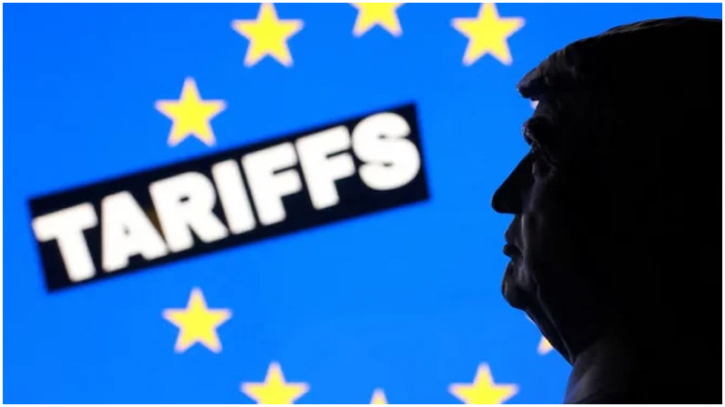
US customs authorities could face significant administrative challenges if President Donald Trump follows through on his threat to impose tariffs on selected European countries rather than the European Union as a whole, given the free movement of goods within the EU.
Trump has warned he would impose escalating tariffs on imports from Denmark, Finland, France, Germany, the Netherlands and Sweden, as well as non-EU countries Norway and Britain, unless the United States is allowed to purchase Greenland. While such a move is technically possible, experts say it would be bureaucratically complex to enforce.
Under EU rules, goods produced within the bloc are typically designated simply as being of EU origin. Although third countries can require information identifying the specific member state of production, determining this in practice can be difficult because of deeply integrated cross-border supply chains and the absence of customs controls between EU countries.
This would place a heavy burden on US customs officials, who would need to verify the precise origin of goods entering the country. Niclas Poitiers, a research fellow at Bruegel, said smaller companies could likely obscure where products are made, while larger firms with more transparent supply chains might instead shift production to EU countries not affected by the tariffs.
Targeting goods based on brand identity would also present challenges. Many well-known European brands are associated with specific countries but manufacture products in multiple locations. Volkswagen, for example, produces cars in Germany and Slovakia, while Sweden’s Volvo Cars operates a major factory in Ghent, Belgium, alongside its headquarters plant in Gothenburg. Although companies can adjust production in response to tariffs, such shifts usually take at least a year to implement.
Some products may be easier to target, particularly foods and drinks that emphasize their geographic origins, such as French champagne or Camembert cheese. The EU reinforces this through its system of geographical indications, which grant intellectual property protection to around 4,000 products tied to specific regions, including Italy’s Parma ham, Spain’s Manchego cheese and Greece’s Kalamata olives.
These protections mean that certain names can only be used for products made in designated areas, making their origin clearer for customs authorities. The United States has long criticised the geographical indications system as protectionist, especially when it is included in EU trade agreements. Among the six EU countries named by Trump, France has the largest number of products covered by these protections.
.png)