Iran partially closes Strait of Hormuz amid military drills and nuclear talks
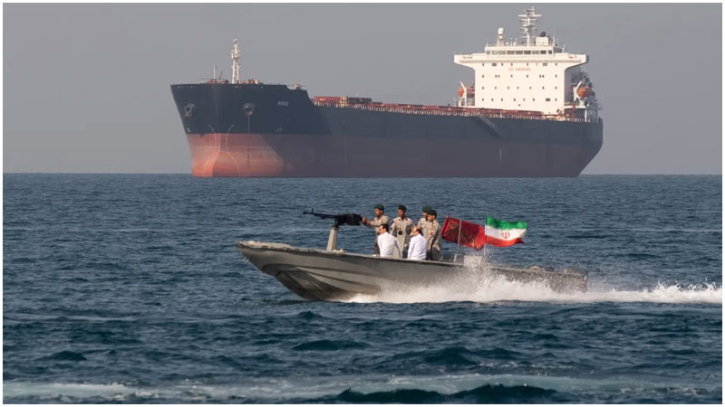
Iran partially closed sections of the strategically crucial Strait of Hormuz on Tuesday, citing security precautions as its Revolutionary Guard conducted military exercises in the waterway, according to state media.
The move comes as US and Iranian officials meet in Geneva for talks aimed at resolving their long-running dispute over Tehran’s nuclear programme.
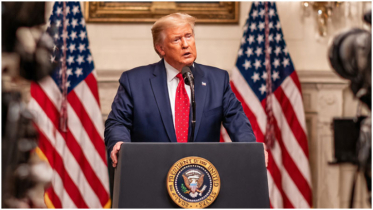
This marks the first time Iran has restricted parts of the Strait of Hormuz since US President Donald Trump threatened military action against Tehran in January. The strait, located between Oman and Iran, is widely regarded as one of the world’s most critical oil chokepoints, linking Middle Eastern crude producers with major global markets.
Data from market intelligence firm Kpler shows that about 13 million barrels per day of crude oil passed through the Strait of Hormuz in 2025, accounting for roughly 31 percent of global seaborne crude flows.
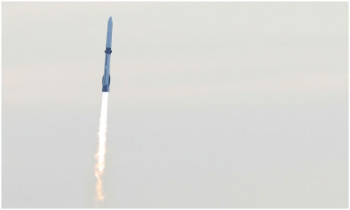
Iran said the temporary closure was intended to ensure maritime safety during the Revolutionary Guard’s “Smart Control of the Strait of Hormuz” drill. The exercise is aimed at strengthening operational readiness and enhancing deterrence capabilities.
Meanwhile, diplomatic efforts continued in Switzerland. Iranian Foreign Minister Abbas Araghchi said after the Geneva talks that both sides had reached an understanding on “guiding principles,” though he cautioned that significant work remains and that a final agreement is not imminent.
Energy markets have been closely monitoring developments, especially given the heightened military presence by both countries in the region. Oil prices erased earlier gains following news of the temporary closure. Brent crude futures for April delivery fell 1.8 percent to $67.48 a barrel, while US West Texas Intermediate futures for March delivery were down 0.4 percent at $62.65.
Shipping industry representatives downplayed the impact. Jakob Larsen, chief safety and security officer at Bimco, said the exercise would likely cause only minor delays for vessels entering the Persian Gulf.
He noted that the live-fire drill overlapped with part of the inbound traffic lane in the Strait of Hormuz and that ships were asked to steer clear of the area for several hours. Given regional tensions, he said commercial vessels were expected to comply with the request.
While the closure appears temporary and limited in scope, it underscores the fragile security environment in one of the world’s most vital energy corridors.
.png)