Iran floats energy and aviation deals as nuclear talks with US resume
Iran has signalled that potential cooperation in energy, mining and aircraft purchases could form part of ongoing negotiations with the United States, as the two sides prepare for a second round of talks aimed at resolving their long-running dispute over Tehran’s nuclear programme.
An Iranian diplomat said Tehran is seeking a nuclear agreement that would deliver economic benefits for both countries. The remarks came days before US and Iranian officials are due to meet again in Geneva, with Oman acting as mediator.
The renewed negotiations follow heightened tensions in the region. The US has deployed a second aircraft carrier and officials have indicated preparations for possible military action if diplomacy fails. Speaking in Bratislava, US Secretary of State Marco Rubio said President Donald Trump preferred a negotiated settlement but acknowledged that success was not guaranteed.
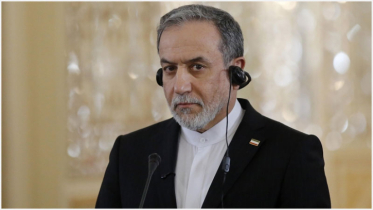
Iran, which has previously warned it would target US bases in the Middle East if attacked, adopted a more conciliatory tone on Sunday. Hamid Ghanbari, a senior foreign ministry official, said a durable agreement would require tangible economic gains for Washington as well. He cited shared interests in oil and gas fields, joint mining projects and even aircraft purchases as areas under discussion.
The talks mark a new phase in a diplomatic effort that began with the 2015 nuclear deal between Iran and world powers. The US withdrew from that agreement in 2018 under Trump, reimposing sweeping sanctions that have severely constrained Iran’s economy.
According to sources, US envoys Steve Witkoff and Jared Kushner are expected to participate in the Geneva meeting, a detail later confirmed by an Iranian official. Rubio said the envoys were travelling for important discussions but did not elaborate.
Iran’s Foreign Minister Abbas Araqchi has also travelled to Geneva for indirect talks and meetings with international officials, including the head of the International Atomic Energy Agency.
Deputy Foreign Minister Majid Takht-Ravanchi indicated that Iran is open to compromise, suggesting Tehran could dilute its most highly enriched uranium in exchange for sanctions relief. However, he reiterated that Iran would not accept a complete halt to uranium enrichment, a longstanding sticking point, as the US sees domestic enrichment as a potential pathway to nuclear weapons. Tehran maintains that its nuclear programme is peaceful.
Meanwhile, Washington is also increasing economic pressure. Trump and Israeli Prime Minister Benjamin Netanyahu recently discussed efforts to curb Iran’s oil exports to China, which accounts for the vast majority of Iranian crude sales. Any reduction in that trade would significantly affect Iran’s revenue.
With both sides outlining firm positions but signalling room for negotiation, the upcoming Geneva talks are seen as a critical test of whether diplomacy can ease tensions and avert further confrontation.
.png)