Oil steady as markets await outcome of US–Iran nuclear talks
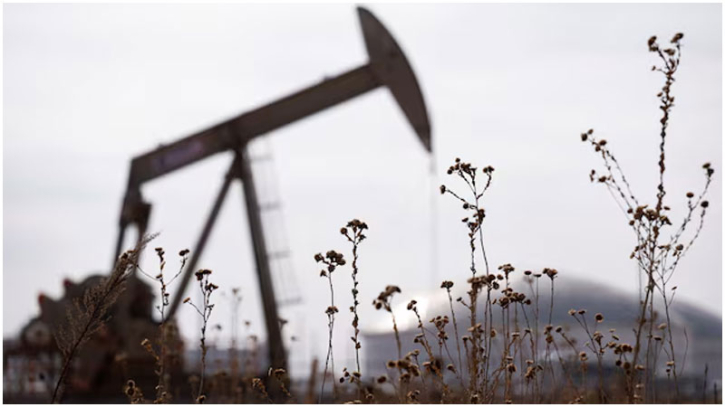
Oil prices moved in a narrow range on Monday as investors awaited fresh negotiations between the United States and Iran, balancing concerns over potential supply disruptions against expectations that OPEC+ may resume output increases from April.
Brent crude slipped 3 cents to $67.72 a barrel in early trade after rising 23 cents on Friday. US West Texas Intermediate (WTI) crude also eased 3 cents to $62.86 a barrel, with no formal WTI settlement scheduled due to a US holiday.
Both benchmarks posted weekly losses last week, with Brent down about 0.5 percent and WTI shedding 1 percent. Prices fell after US President Donald Trump said Washington could reach a deal with Tehran within the next month, raising hopes of reduced tensions and potentially increased Iranian oil supply.
The two countries resumed negotiations earlier this month aimed at resolving their long-running dispute over Iran’s nuclear programme and preventing further military escalation. A second round of talks is set to take place in Geneva on Tuesday.
An Iranian diplomat said Tehran is seeking a nuclear agreement that would bring economic benefits for both sides, including potential cooperation in energy, mining and aircraft purchases.
However, analysts remain cautious. Tony Sycamore of IG said expectations for a breakthrough remain limited, noting that both sides are likely to stick to their core demands. He described the current stability as potentially “the calm before the storm.”
Geopolitical tensions continue to underpin oil prices. The United States has reportedly deployed a second aircraft carrier to the region and is preparing contingency plans in case diplomacy fails. Meanwhile, Iran’s Revolutionary Guards have warned they would retaliate against US military bases if Iran were attacked.
At the same time, the Organization of the Petroleum Exporting Countries and its allies, known collectively as OPEC+, are said to be leaning toward resuming output increases from April after a three-month pause, aiming to meet peak summer demand.
Analysts said that without the geopolitical risk premium stemming from US–Iran tensions, oil prices — particularly WTI — could be trading below $60 a barrel.
Trading volumes were expected to remain subdued on Monday, with major Asian markets including China, South Korea and Taiwan closed for public holidays.
.png)