Study finds sharp decline in Ganges water flow
Water flow patterns in two major trans-boundary river systems in South Asia are moving in opposite directions, according to a new study by Indian scientists published in Earth’s Future, a peer-reviewed journal of the American Geophysical Union.
Analyzing data from 1980 to 2021, researchers found that water flow in the Indus Basin increased by 8 percent over the past four decades, while the Ganga Basin experienced a 17 percent decline during the same period.
The study attributes the rising water levels in the Indus River system and its western tributaries, including the Jhelum and Chenab, to western disturbances and shifting monsoon patterns that have brought increased rainfall to the region.
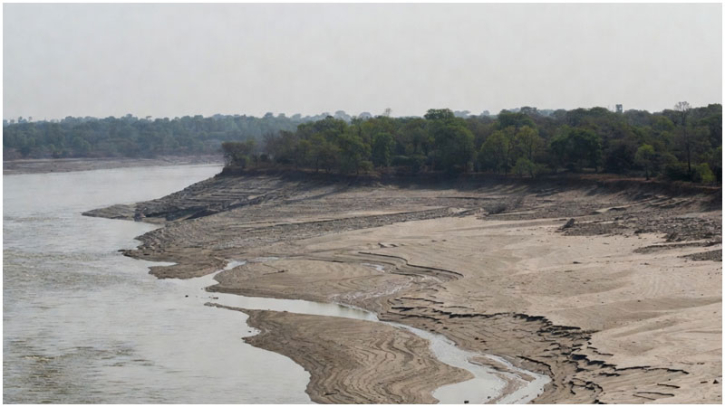
In contrast, the Ganges has seen falling water levels. While rainfall across the Gangetic plains has dropped by around 10 percent, researchers say reduced precipitation alone does not fully explain the decline. Using high-resolution physical models, the study concludes that excessive groundwater extraction for irrigation is the primary driver behind the shrinking river flow.
Groundwater plays a critical role in sustaining the Ganga Basin, with an estimated 50 to 70 percent of the river’s flow generated through groundwater recharge. However, heavy pumping — particularly during drought periods — has significantly reduced the amount of water that replenishes the river system.
The situation is especially severe in parts of the upper Ganga basin, where depleted aquifers are absorbing river water instead of feeding it. The study warns that the current rate of decline in the Ganges is the fastest seen in the past 1,300 years and could have serious consequences for millions of people who depend on the river for agriculture, drinking water, and livelihoods.
Researchers caution that declining monsoon rainfall has further intensified groundwater extraction, compounding the reduction in river recharge and deepening the long-term water crisis in the region.
.png)