US and Iran hold high-stakes nuclear talks in Geneva amid military buildup
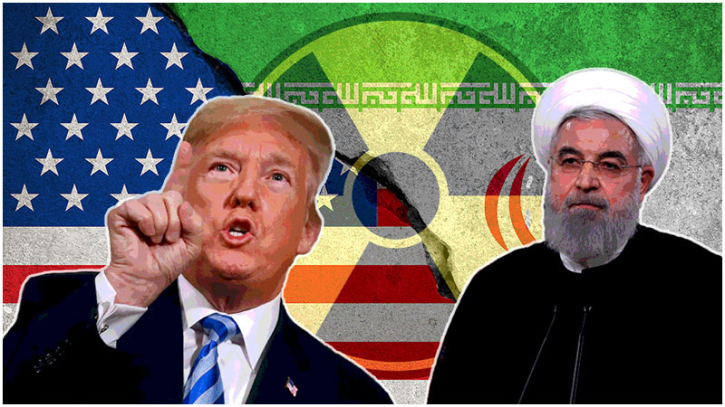
The United States and Iran are set to hold indirect nuclear talks in Geneva on Tuesday, as tensions escalate and Washington strengthens its military presence in the Middle East.
The negotiations will involve US envoys Steve Witkoff and Jared Kushner and Iranian Foreign Minister Abbas Araqchi. The discussions are being mediated by Oman, according to a source briefed on the matter. President Donald Trump said he would be involved indirectly and expressed confidence that Tehran was seeking an agreement.
“I don't think they want the consequences of not making a deal,” Trump told reporters aboard Air Force One, referring to previous US military strikes using B-2 bombers against Iranian nuclear targets.
Talks take place against the backdrop of last year’s escalation, when Israel launched airstrikes on Iranian facilities during a previous attempt to revive diplomacy. The US later joined with B-2 bomber strikes. Iran subsequently said it had halted uranium enrichment activity.
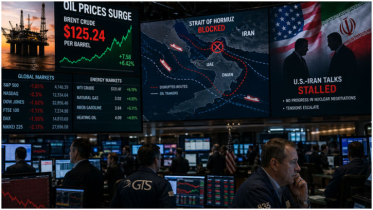
Two US officials told Reuters that the American military is preparing for the possibility of extended operations against Iran should Trump order further action. Meanwhile, Iran has begun military drills in the Strait of Hormuz, a key global oil transit route, raising concerns among Gulf states that have urged a diplomatic resolution.
At the heart of the dispute is Iran’s nuclear programme. Washington and Israel argue that Tehran is pursuing the capability to build a nuclear weapon, posing a threat to Israel’s security. Iran insists its programme is for peaceful purposes, although it has enriched uranium to levels well beyond those required for civilian energy production and close to weapons-grade.
Negotiations between Tehran and Washington resumed on February 6 after years of intermittent engagement. However, the diplomatic effort is complicated by deep mistrust and broader geopolitical tensions.
The US has also expanded its military footprint in the region, deploying what Trump has described as a massive naval armada. At the same time, Washington is pressing to widen the scope of the talks to include Iran’s missile programme and regional activities. Tehran has rejected that approach, saying it is willing only to negotiate limits on its nuclear activities in exchange for sanctions relief. Iranian officials have also ruled out ending uranium enrichment entirely.
Domestically, Iran’s leadership faces pressure following widespread protests over economic hardship, fueled in part by sanctions that have significantly reduced oil revenues. The unrest has further strained the political environment as negotiations unfold.
On Monday, Araqchi met Rafael Grossi, head of the International Atomic Energy Agency, in Geneva to discuss cooperation and technical matters related to the nuclear programme ahead of the talks.
US Secretary of State Marco Rubio, speaking in Budapest, acknowledged the difficulty of reaching an agreement but said Washington remained willing to pursue diplomacy.
Following the Geneva discussions, Witkoff and Kushner are also expected to take part in separate three-way talks involving Russia and Ukraine, as the US continues efforts to broker an end to Moscow’s war in Ukraine.
With military forces mobilised and diplomatic positions entrenched, the Geneva talks are unfolding under the shadow of potential conflict, leaving the outcome uncertain.
.png)