Countries agree to record oil reserve release to ease supply shock
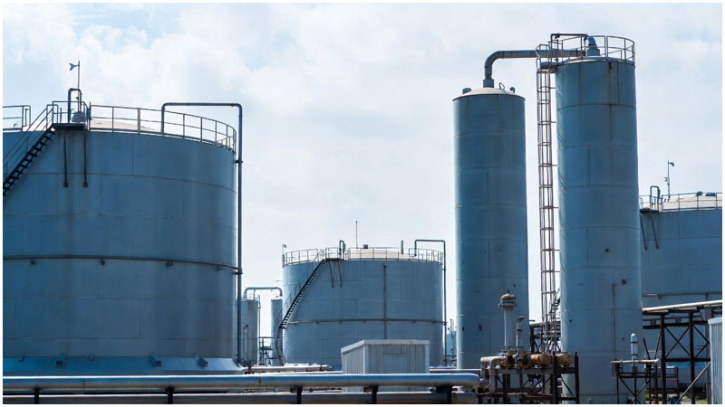
Member countries of the International Energy Agency have agreed to release 400 million barrels of oil into global markets in the largest emergency stock release in history, aiming to stabilize supply and ease rising energy prices triggered by the Middle East conflict.
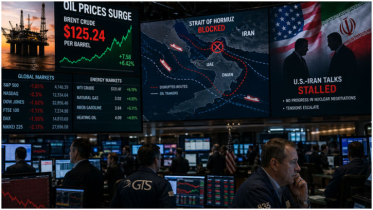
IEA executive director Fatih Birol said the coordinated release is intended to offset supply disruptions caused by the effective closure of the Strait of Hormuz, a critical route for global oil shipments. He stressed, however, that restoring normal transit through the strait remains the most important step for stabilizing oil and gas markets.
The planned release exceeds the previous record set in 2022, when countries collectively released 182 million barrels following Russia’s invasion of Ukraine. Despite the scale of the new measure, analysts warn it may have limited impact because the disruption in the Strait of Hormuz has cut off about 20 million barrels of oil and petroleum products from global markets each day. At that rate, the 400 million barrels could be absorbed in less than a month.
Oil prices have remained elevated despite the announcement. Brent crude rose about 4 percent to around 91 dollars a barrel, while US benchmark WTI climbed to roughly 87 dollars. Analysts say the reserve release is only a temporary measure and that lasting price stability will depend on easing tensions in the region.
The situation in the strait has worsened amid reports that Iran has begun placing naval mines in the waterway, raising fears of a prolonged disruption to global oil flows. The strait normally carries about one fifth of the world’s daily oil supply.
Oil markets have been volatile in recent days. Prices surged above 100 dollars per barrel earlier this week before falling sharply after comments from US President Donald Trump suggesting the conflict could end soon and after Saudi Arabia said it would increase shipments through an alternative pipeline route.
However, continued military exchanges between Iran and Israel and new incidents involving vessels near the Strait of Hormuz have kept markets on edge, leaving oil prices significantly higher than before the conflict began.
.png)