US launches probes that could lead to new trade penalties
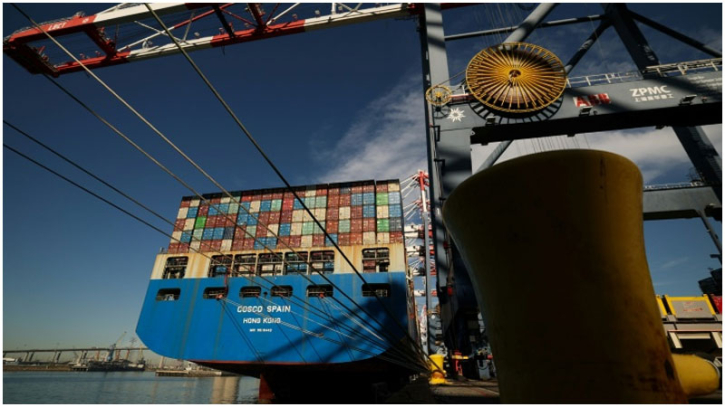
The United States on Wednesday announced new investigations into what it considers unfair trade practices by dozens of countries, potentially paving the way for additional tariffs as President Donald Trump seeks alternatives after the Supreme Court struck down parts of his earlier global tariff policy.
US Trade Representative Jamieson Greer said the Trump administration is initiating two separate probes, one focused on global industrial overproduction and another on the import of goods allegedly made with forced labor.
The investigation into excess industrial capacity will target several major economies including the European Union, China, Japan and India, along with others such as Singapore, Switzerland, South Korea, Vietnam, Taiwan and Mexico. Greer said the probe will examine economies where there is evidence of structural overcapacity in various manufacturing sectors.
He noted that some of the countries under investigation have already reached tariff agreements with Washington, but said those arrangements are independent of the new probes. According to Greer, the administration’s long-standing objective remains protecting American jobs and ensuring fair trade. He added that tariffs could be used if necessary to address the issue.
A second investigation focusing on forced labor practices is expected to begin soon and could affect around 60 trading partners. Greer said the inquiry will examine whether countries have laws in place to prevent the import of goods produced with forced labor.
The investigations come weeks after the US Supreme Court ruled that Trump had exceeded his authority by using emergency economic powers to impose sweeping global tariffs. In response, the administration imposed a temporary 10 percent duty on imports that will remain in place until July 24 while officials work on new trade measures.
Both investigations are being conducted by the Office of the US Trade Representative under Section 301 of the Trade Act of 1974, the same authority previously used to impose tariffs on Chinese imports during Trump’s first presidency. Those tariffs largely remain in place, while existing sector-based duties on products such as steel, aluminum and automobiles were not affected by the court ruling.
Greer said additional country-specific investigations could follow, and the administration hopes to complete the current probes as quickly as possible before the temporary tariffs expire.
The move comes as Washington continues trade discussions with key partners and ahead of an expected meeting between President Trump and Chinese President Xi Jinping in Beijing in April.
.png)