China bans hidden car door handles over safety concerns
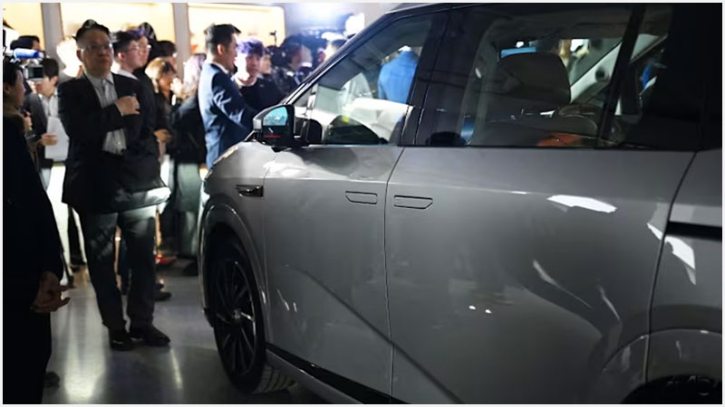
China will ban hidden car door handles on all cars sold in the country, becoming the first nation to restrict the design over safety risks linked to accidents and emergency access.
The feature, popularized by Tesla and widely adopted by electric vehicle makers, uses flush-mounted exterior handles that require pressing to release, while interior doors open via buttons. Regulators say these designs can be difficult to operate and may fail after crashes.
Under the new rules, all vehicles must include a mechanical release for both interior and exterior door handles. Exterior handles must allow enough space for a hand to operate the mechanical release from any angle, while interior handles must be clearly visible to occupants.
The Ministry of Industry and Information Technology said the regulation addresses concerns about exterior handles being hard to use and doors being impossible to open following accidents. The policy does not target any specific automaker.
Tesla is the most closely associated with the design, though Chinese manufacturers including Xiaomi and Aion have also used similar handles. The move comes as Tesla faces slowing global sales and intense competition in China, its second-largest market.
The new requirements will take effect on January 1, 2027. CNN has contacted Tesla, Xiaomi and Aion for comment.
Hidden door handles have faced scrutiny worldwide. Tesla previously said it was reviewing emergency door access after reports of passengers being trapped in burning vehicles. U.S. safety investigators have also documented cases where owners had to break windows to regain access to their cars.
In China, safety concerns intensified after a fatal crash involving a Xiaomi sedan last year, with reports indicating problems unlocking the vehicle doors. Following that incident, authorities tightened regulations around vehicle safety and driver-assistance systems.
.png)