Oil slides on Iran deal optimism as stronger dollar rattles precious metals
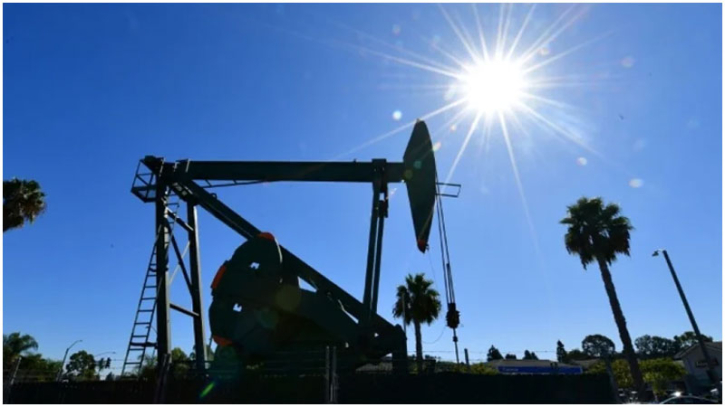
Oil prices fell sharply on Monday as hopes of easing tensions between the United States and Iran weighed on energy markets, while precious metals remained under pressure following a surge in the US dollar triggered by President Donald Trump’s hawkish choice to lead the Federal Reserve.
Both major crude benchmarks dropped more than three percent in early Asian trading after Trump said he was hopeful of reaching a deal with Tehran. The comments came despite weeks of escalating rhetoric, including warnings from Iran that any US attack would spark a wider regional conflict.
Washington has recently criticised Iran’s leadership over its response to anti-government protests and had threatened military action, including deploying an aircraft carrier group to the Middle East. Trump has also renewed pressure for a deal on Iran’s nuclear programme.
Iran’s supreme leader, Ayatollah Ali Khamenei, warned on Sunday that any US attack would trigger a regional war, describing recent protests as a “coup.” Asked about the warning, Trump said he hoped a deal could be reached, adding that the alternative would reveal whether Khamenei’s warning was correct.
Oil’s decline was reinforced by a strengthening dollar after Trump named Kevin Warsh as his pick to chair the Federal Reserve. Warsh, a former Fed governor and Morgan Stanley investment banker, is viewed by markets as the most aggressive inflation fighter among the contenders, raising expectations of tighter monetary policy.
Trump praised Warsh as a future standout Fed chair, and the appointment helped calm concerns about the central bank’s independence following Trump’s repeated criticism of current chair Jerome Powell. The dollar surged broadly after the announcement, reversing losses from last week when markets believed the White House was comfortable with a weaker currency.
Stephen Innes of SPI Asset Management said the appointment signaled a clear policy direction, noting that central bank leadership choices are rarely made in isolation from political priorities.
The stronger dollar sent dollar-priced precious metals tumbling further. Gold, which had already plunged as much as 12 percent on Friday, fell another six percent on Monday to around $4,586 an ounce. Silver briefly dropped about 11 percent to $75. Both later recovered slightly but remained well below last week’s record highs.
Reduced geopolitical risk from easing Iran tensions added to the pressure on gold and silver, which are typically sought as safe-haven assets during periods of uncertainty.
Equity markets across Asia were mostly lower, extending losses from Wall Street. The sell-off followed renewed concerns over heavy investment in artificial intelligence and uncertainty over when returns will materialise.
Seoul led declines, falling more than two percent, while Hong Kong, Shanghai, Sydney, Singapore, Taipei and Manila also traded lower. Tokyo bucked the trend with modest gains.
At around 0230 GMT, West Texas Intermediate crude was down 3.5 percent at $62.92 a barrel, while Brent crude fell 3.3 percent to $67.02. The Dow Jones Industrial Average closed down 0.4 percent on Friday, while London’s FTSE 100 ended up 0.5 percent.
.png)