Rising euro adds pressure on ECB as rate cut debate grows
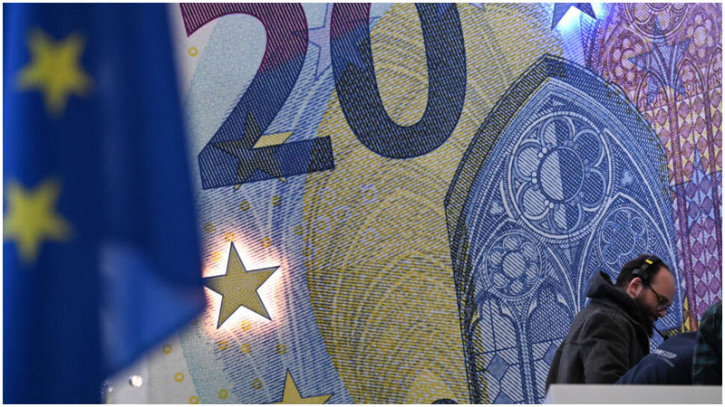
A sharp rise in the euro is set to dominate discussions at the European Central Bank’s policy meeting this week, as concerns mount that a stronger currency could hurt export-led economies across the eurozone and push inflation lower.
The ECB, which oversees monetary policy for the 21 countries using the single currency, is widely expected to leave interest rates unchanged for a fifth consecutive meeting. Inflation is currently hovering just below the bank’s two percent target, reducing immediate pressure for action. However, the euro’s recent surge has complicated the outlook and intensified debate over when the ECB might begin cutting its key deposit rate from its current level of two percent.
Berenberg economist Felix Schmidt said the euro’s strength against the dollar would be the central issue at Thursday’s meeting in Frankfurt, as policymakers weigh its implications for growth and prices.
The euro has been climbing for months as the dollar weakens, driven in part by investor unease over US President Donald Trump’s economic policies. The move accelerated last week, with the euro briefly reaching a four-and-a-half-year high above $1.20 after Trump appeared to welcome a weaker US currency.
The currency’s rise has unsettled ECB officials, since a stronger euro reduces the cost of imports and can put downward pressure on inflation at a time when policymakers are already wary of an excessive slowdown. Austrian central bank governor Martin Kocher warned that further euro gains could eventually force the ECB to consider interest rate cuts, as lower borrowing costs typically support inflation and weaken the currency.
Although the ECB does not target exchange rates, it closely monitors currency movements because of their impact on inflation and economic activity. A stronger euro also poses challenges for export-heavy economies such as Germany, where higher-priced goods can lose competitiveness abroad.
German Chancellor Friedrich Merz acknowledged these concerns last week, calling the rising euro an added burden for exporters just as the eurozone economy shows signs of recovery.
At the same time, the stronger currency brings some benefits. It boosts household purchasing power and reflects renewed investor interest in Europe, as confidence in the United States has been shaken by Trump’s trade policies and criticism of the Federal Reserve.
Trump’s nomination of Kevin Warsh as the next US central bank chief has added to market uncertainty. While Warsh is known as an inflation hawk, he has recently aligned with calls from Trump’s allies for aggressive rate cuts.
ECB President Christine Lagarde has previously argued that the euro could play a larger global role as the dollar-based economic order weakens. Still, ING economist Carsten Brzeski noted that ambitions for a “global euro” are difficult to square with an economy heavily dependent on exports.
Most analysts expect the ECB to hold rates steady this week, with Lagarde offering little guidance on future moves. However, economists say that if the euro continues to strengthen, the likelihood of a rate cut at the ECB’s next meeting in March would rise significantly.
.png)