SpaceX seeks approval to deploy up to one million AI-powered satellites
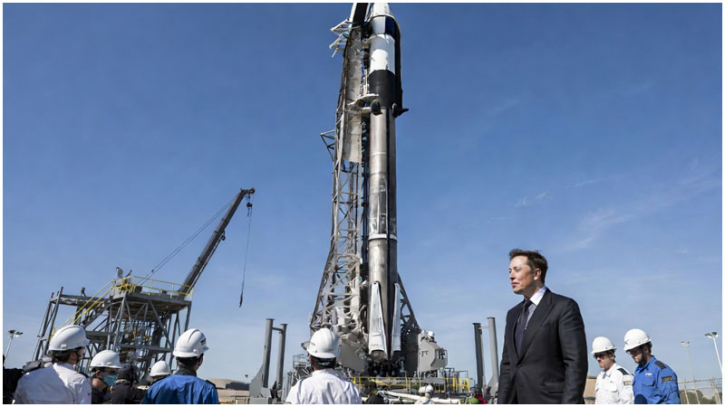
Elon Musk’s SpaceX has applied for permission to launch up to one million satellites into low-Earth orbit, proposing a vast new network of “orbital data centres” designed to support the growing demands of artificial intelligence.
In a filing submitted on Friday to the US Federal Communications Commission, the company argues that AI computing needs are already exceeding the limits of Earth-based infrastructure. SpaceX says processing data in space could be more cost- and energy-efficient than relying on traditional data centres, which consume huge amounts of electricity and water for cooling.
If approved, the plan would dramatically expand SpaceX’s presence in orbit. The company already operates nearly 10,000 Starlink satellites that provide global internet coverage, a system that critics say contributes to congestion in space — a claim Musk disputes.
According to the application, the proposed satellites would be solar-powered and capable of delivering computing capacity for “billions of users globally.” SpaceX also frames the project as a step toward becoming a “Kardashev II-level civilisation,” a theoretical stage in which a society can harness the full energy output of the Sun.
Posting on his platform X, Musk said the satellites would be spaced so far apart that they would be difficult to see from one another, adding that the scale of space is “beyond comprehension.”
Like Starlink, the new satellites would operate in low-Earth orbit at altitudes between 500 and 2,000 kilometres. SpaceX claims orbital data centres could be a greener alternative to ground-based facilities, though experts have warned that launching and maintaining hardware in space remains costly and complex.
Concerns have also been raised about space debris and the increased risk of collisions as more objects crowd low-Earth orbit, potentially damaging satellites or sending fragments back toward Earth. Astronomers have previously complained that Starlink satellites interfere with telescope observations, with radio emissions described as “blinding” to sensitive instruments.
SpaceX’s application does not include a timeline for deployment, and the proposal will require regulatory review before any launches can proceed.
.png)