India budget to push reforms as fiscal space tightens
India’s government is set to unveil its annual budget on Sunday, with expectations that it will reinforce domestic policy reforms aimed at shielding the economy from rising uncertainty caused by steep US tariffs and wider geopolitical tensions.
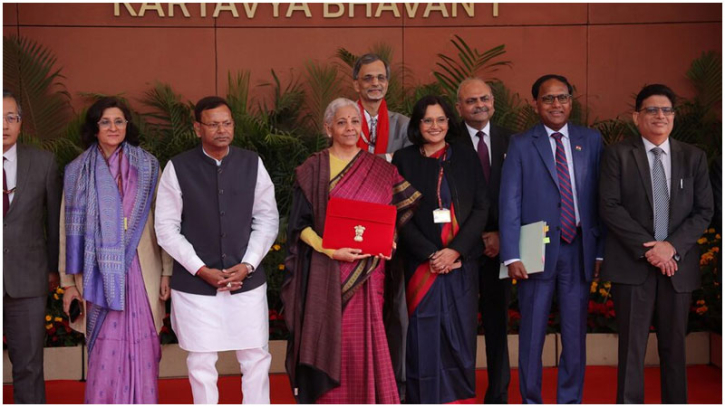
Finance Minister Nirmala Sitharaman will present the budget for the next fiscal year at 11 a.m. local time, but faces limited room for manoeuvre on spending. Government expenditure as a share of gross domestic product is expected to be restrained, particularly after recent tax cuts are projected to reduce revenue by about 1.5 trillion rupees, or $16 billion, in the current fiscal year.
India has set a fiscal deficit target of 4.4 per cent of GDP for the 12 months ending in March.
Speaking ahead of the release of the government’s economic survey, which forecast growth of between 6.8 per cent and 7.2 per cent for the fiscal year beginning in April, Prime Minister Narendra Modi said India was shifting from addressing long-term problems to pursuing long-term solutions that provide predictability and build global trust.
Modi said the government would continue to pursue what it calls “next-generation reforms”, arguing that the coming 25 years will be critical to achieving the goal of transforming India into a developed economy.
In recent months, New Delhi has introduced a series of measures to stimulate private investment and consumer demand. These include cuts to consumption and income taxes, an overhaul of labour laws and steps to open up the tightly regulated nuclear power sector. Additional policy initiatives are widely expected to be announced in the budget.
The government is also planning a third major push to raise manufacturing’s share of the economy, following two earlier efforts that failed to deliver lasting results. Easing investment rules in defence manufacturing is also expected.
Gross government borrowing is forecast to rise to between 16 trillion and 16.8 trillion rupees in the fiscal year starting in April, up from 14.6 trillion rupees in the current year.
At the same time, India is seeking to cushion the impact of US trade measures by pursuing new trade deals, including a landmark agreement with the European Union, as it looks to offset the effect of 50 per cent tariffs imposed by President Donald Trump on some Indian exports to the United States.
.png)