Winter cold shocks gas markets
Natural gas traders have been caught by surprise this winter as colder-than-expected weather in both Europe and the United States triggered a sharp surge in prices, overturning widespread expectations of ample supply and subdued demand.
Following two unusually mild winters in 2022–23 and 2023–24, combined with a major expansion of liquefied natural gas supply from the United States, many market participants had assumed the risk of winter price spikes was largely behind them. That assumption has now been upended.
Europe experienced a colder start to winter as early as October, pushing up heating demand across the continent. Although European Union countries had entered the season with well-stocked gas storage facilities, inventories began falling rapidly as consumption exceeded levels seen in recent years. At the end of December, EU gas storage was nearly 64 percent full. By last Friday, it had dropped to below 46 percent, an unusually low level for this point in the winter.
Cold weather has also gripped the United States, driving up electricity demand and boosting natural gas consumption, along with coal and, in parts of New England, oil. As a result, US natural gas prices have soared. According to the Energy Information Administration, prices jumped from about $3 per million British thermal units to more than $7 per mmBtu in just a few days, defying expectations among traders who had anticipated stable or lower prices.
US natural gas prices rose as much as 70 percent last week, Bloomberg reported, following a 30 percent weekly increase in European prices. Many traders in both markets had been positioned for falling prices and were forced to cover short positions, adding momentum to the rally.
Weather forecasts have further unsettled markets, with the possibility of an extended cold spell in gas-producing regions of the United States. Colder temperatures raise the risk of frozen pipelines, which could disrupt gas supplies to power generators and intensify pressure on prices. At the same time, sustained winter demand is likely to push international gas prices even higher.
Traders cited additional support for the rally from geopolitical tensions, including a dispute between the US president and European leaders over Greenland. The prospect of conflict helped lift energy prices broadly, worsening losses for traders betting against gas.
“Everyone’s in panic mode right now,” Paul Phillips, senior strategist at gas trading firm Uplift Energy Strategy, told Bloomberg. He noted that many in the market had effectively written off winter demand despite January historically being one of the coldest months in the Northern Hemisphere.
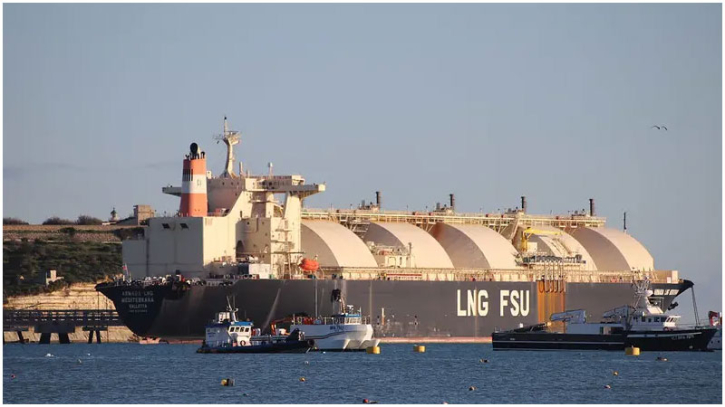
Europe’s reliance on US liquefied natural gas has added another layer of vulnerability. LNG imports from the United States had been setting records until flows weakened in recent weeks, likely because higher domestic US gas prices squeezed exporters’ margins. As a result, Europe has been drawing down gas storage at the fastest pace in five years.
The benchmark Dutch TTF natural gas futures contract rose about 30 percent since the start of January, climbing from $34 per megawatt-hour on January 2 to as high as $45.40 per MWh by January 23. Meanwhile, LNG arrivals have covered less than half of the daily volumes being withdrawn from storage.
Even if temperatures moderate, analysts say the gas market is unlikely to stabilise quickly. Europe will need to rebuild depleted storage levels, while structural growth in US electricity demand, driven largely by the technology sector, is expected to persist beyond the winter.
With limited gas storage capacity in the United States, the world’s largest gas exporter, volatility is likely to remain elevated. “It’s like a heavier and heavier person jumping on a trampoline,” the chief executive of gas producer BKV Corp. told Bloomberg. “You’re going to get more and more volatility.”
.png)