Bitcoin falls to lowest level since 2025 tariff shock
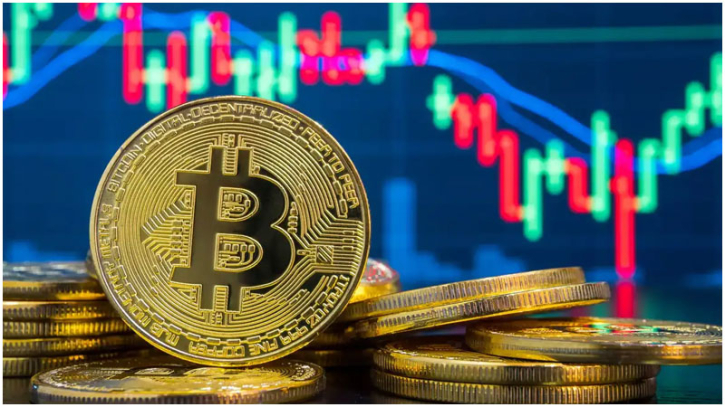
Bitcoin has slid to its weakest level since last year’s tariff-driven market turmoil, raising fresh doubts about its long-standing reputation as the digital equivalent of gold.
The world’s largest cryptocurrency dropped to $77,020 on Saturday, marking a fall of more than 8 per cent on the day and nearly 13 per cent since the start of the year.
The decline comes even as traditional safe-haven assets surge. Gold and other precious metals have rallied strongly as investors seek protection from escalating geopolitical tensions and renewed tariff threats. Gold recently reached record highs, climbing about 23 per cent to above $5,600 per troy ounce, before retreating sharply on Friday to around $4,800.
For years, crypto supporters have promoted bitcoin as “digital gold”, arguing that it should hold its value during periods of economic and political stress. Recent market moves, however, suggest investors are treating it very differently.
Ilan Solot, senior global markets strategist at Marex Solutions, said bitcoin remains “an asset in search of a valuation model”, noting that there is still no clear agreement on what fundamentally drives its price.
Pramol Dhawan, managing director at Pimco, said the digital gold narrative had “vanished”, adding that the latest sell-off shows bitcoin is “not a monetary revolution”.
Bitcoin had surged to record highs near $125,000 late last year, buoyed by optimism around US President Donald Trump’s crypto-friendly stance. Investors welcomed his appointment of supportive regulators, the rollback of enforcement actions against crypto firms, and the passage of landmark stablecoin legislation.
Since then, prices have fallen sharply. Other major cryptocurrencies, including ethereum and solana, have also seen steep declines from last year’s peaks.
Trump’s renewed tariff threats, along with his calls to seize Greenland and broader geopolitical tensions involving Iran and Venezuela, have driven investors toward gold and silver. By contrast, cryptocurrencies are increasingly being treated as risk assets.
“Bitcoin is being associated with the administration,” said one crypto venture capitalist, arguing that it is “paying the price of being associated with the Republican political party”.
Analysts at crypto research firm Kaiko said bitcoin’s relationship with gold remains inconsistent. “Bitcoin’s correlation with gold is essentially unstable, swinging between strong positive and negative relationships depending on the dominant macro narrative,” they wrote, adding that tariff volatility has highlighted bitcoin’s ongoing identity crisis.
Solot noted that while early bitcoin adopters strongly believed in its digital gold philosophy, that conviction has weakened as institutional investors have entered the market. “It’s not strictly that philosophical view any more,” he said, adding that the idea has been tested and failed to hold up.
Retail traders, he added, are increasingly drawn to prediction markets such as Polymarket and Kalshi, which allow users to wager on outcomes ranging from central bank appointments to major sporting events.
At the same time, platforms like Hyperliquid are gaining traction among crypto specialists. For large institutional investors, the growth of crypto perpetuals and digital asset treasury companies is also diverting capital and attention away from bitcoin itself, further weighing on its appeal.
.png)