Family card programme could cut poverty to 11.3%: RAPID study
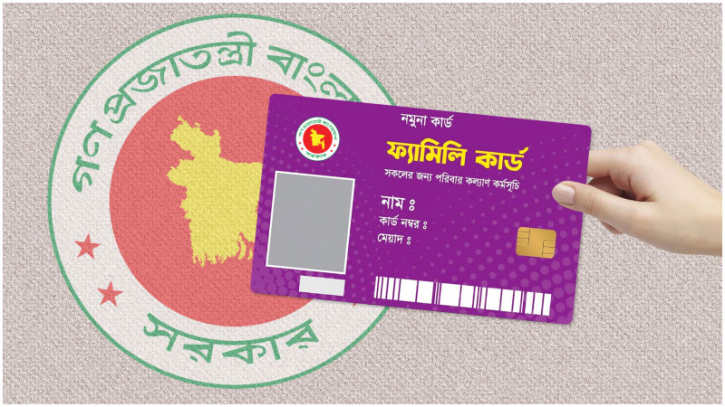
A new study by Research and Policy Integration for Development (RAPID) suggests that Bangladesh’s family card programme could significantly reduce poverty if properly implemented and targeted.
According to the study, providing Tk 2,500 per month to poor and vulnerable households through the programme could lower the country’s overall poverty rate from 18.7 percent to 11.3 percent, a decline of 7.4 percentage points. Extreme poverty could also fall from 5.6 percent to 2.2 percent.
The government has recently launched a pilot version of the family card initiative, which currently provides monthly assistance to more than 6,500 vulnerable households across 14 upazilas. Authorities plan to gradually expand the programme to cover around 20 million households and increase social protection spending to three percent of GDP by 2028.
Presenting the study findings at a roundtable in Dhaka on Thursday, RAPID chairman Dr MA Razzaque said the programme could lift about 12.3 million people out of poverty and reduce the number of people living in extreme poverty by around 5.6 million.
The study also indicates that the vulnerable population could drop from 15.3 percent to 5.9 percent. Currently, around 56.4 million people are considered vulnerable, and that number could fall to about 40.8 million if all eligible households receive support under the scheme.
Razzaque said rising inflation, slow economic activity and the growing gap between wages and living costs have weakened the resilience of low-income households, highlighting the need for predictable income support programmes like the family card.
Officials at the discussion said the government is working to address concerns related to targeting, data accuracy and fiscal capacity. Social welfare ministry secretary Dr Mohammad Abu Yusuf said the government is collecting data using proxy means testing to ensure proper beneficiary selection.
However, he acknowledged that data collection and coordination remain challenging, noting that complaints have been received about some ineligible households receiving cards. Authorities are reviewing such cases.
Speakers at the roundtable also emphasized the need for better data systems, coordination among existing social protection programmes and the creation of a comprehensive workers’ database to strengthen the country’s social safety net.
RAPID recommended using the family card initiative as a central element of a more effective and coordinated social protection framework while ensuring that the programme does not create additional fiscal pressure or fragmentation in the existing system.
.png)