Oil prices volatile as Hormuz tensions escalate
Oil prices remained unstable in early Asian trading on Monday as tensions around the Strait of Hormuz continued to rise and the United States sought support from other countries to secure shipping routes through the key waterway.
West Texas Intermediate crude slipped 0.53 percent to $98.19 after an early surge, while Brent crude edged up 0.41 percent to $103.60 per barrel.
The volatility follows a series of escalations in the Middle East over the weekend. On Friday, the United States struck military targets on Iran’s Kharg Island, a major hub for the country’s oil exports. Iran later warned the United Arab Emirates to evacuate three key ports, claiming they had been used by US forces to launch attacks.
On Saturday, a drone attack triggered a fire that briefly halted oil loading operations at the UAE’s Port of Fujairah. Authorities later said the fire was caused by debris after the drone was intercepted, and operations resumed shortly afterward. The same day, a missile landed inside the compound of the US embassy in Baghdad, prompting Washington to issue a security alert advising its citizens to leave Iraq.
Further incidents were reported on Sunday, including strikes targeting the Ali Al Salem base in Kuwait, Baghdad International Airport and Dubai International Airport. The UAE said Iran launched four ballistic missiles and six drones toward its territory, while Saudi Arabia reported intercepting 37 drones over its eastern region, which hosts major oil facilities.
Amid growing concerns about supply disruptions, Japan began releasing oil from its reserves on Monday. The release includes 15 days of privately held reserves followed by about one month of government stocks, totaling roughly 80 million barrels.
US Energy Secretary Chris Wright said Washington believes the crisis will be temporary and that the conflict could end within weeks, which he said would help stabilize energy prices.
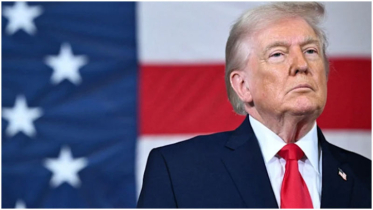
President Donald Trump also said he is discussing the formation of a coalition with several countries to reopen and secure the Strait of Hormuz, though he did not specify which nations may participate. He said such an operation would begin once the coalition is formed.
Saudi Crown Prince Mohammed bin Salman and UAE President Sheikh Mohammed bin Zayed condemned the recent Iranian attacks during a phone call, describing them as a serious escalation that threatens regional stability.
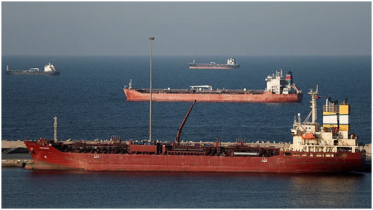
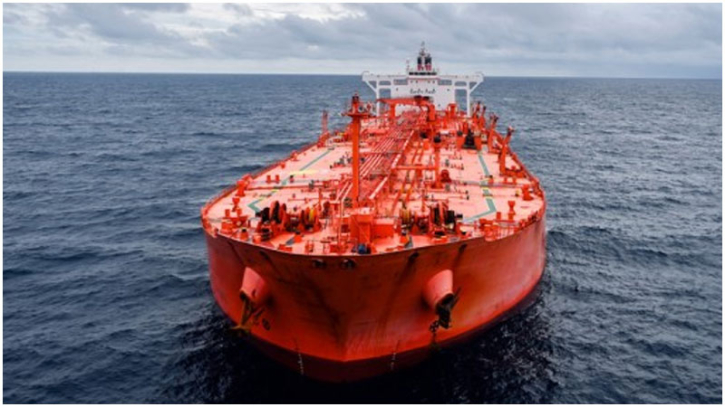
For global oil markets, traders are closely monitoring tanker movements through the Strait of Hormuz and the possibility of further attacks on energy infrastructure, as these factors remain key drivers of price movements.
.png)