Oil nears $100 as Iran war unsettles markets
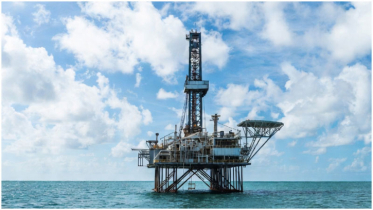
Oil prices hovered close to $100 per barrel on Monday while global stock markets showed mixed performance as the Iran war entered its third week, raising concerns about energy supply and economic stability.
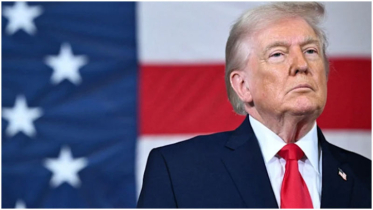
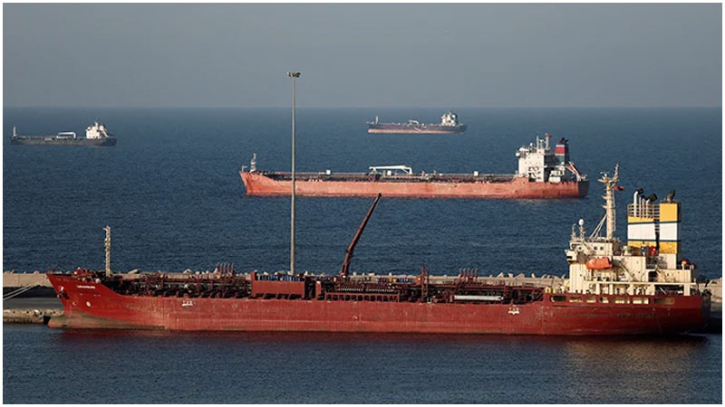
Crude prices jumped early in the session after US President Donald Trump said American forces had struck military targets on Iran’s Kharg Island, a key hub for the country’s oil exports. He also warned that attacks could extend to energy infrastructure if Iran disrupts shipping through the Strait of Hormuz, a vital route for global oil transport that has been largely closed since the US-Israel military operations began on February 28.
Iran’s Fars news agency later reported that the strikes did not damage any oil infrastructure.
Trump urged major economies including China, France, Japan, South Korea and the United Kingdom to deploy naval forces to help keep the Strait of Hormuz open, though he did not outline any specific commitments from the United States. Japan said it was not currently considering such a mission, while Australia also ruled out sending naval ships.
Meanwhile, Iran’s Foreign Minister Abbas Araghchi said Tehran was not interested in negotiations with Washington, accusing the United States of attacking while diplomatic talks were ongoing. However, he noted that several countries had approached Iran to discuss safe passage for their vessels through the strait.
Concerns about the conflict’s duration also weighed on markets after a senior White House economic adviser said the Pentagon estimates the military operation could take up to six weeks, although it is currently ahead of schedule.
Brent crude briefly surged about three percent to around $106.50 per barrel before easing slightly, while West Texas Intermediate traded near $99.
Global stock markets struggled amid fears that rising energy prices could trigger a broader economic slowdown. Shares fell in Tokyo, Shanghai, Sydney, Seoul and several other Asian markets, while Hong Kong, Singapore and Taipei recorded modest gains.
Analysts said investors remain cautious as the outlook for the conflict and the reopening of the Strait of Hormuz remains uncertain.
Economic concerns were also reinforced by data showing US economic growth slowed sharply in the fourth quarter, while inflation remained above target even before the recent surge in energy prices.
Investors are now closely watching upcoming policy meetings by major central banks, including the US Federal Reserve, the Bank of England and the European Central Bank, for signals on how the conflict could affect interest rate decisions and global economic growth.
.png)