Iran launches regional missile strikes as tensions escalate

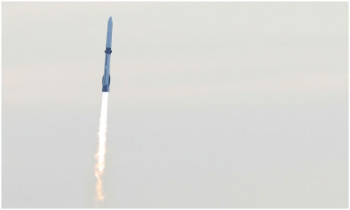
Iran fired missiles across the Middle East on Tuesday while fresh explosions hit Tehran, escalating the conflict after US President Donald Trump threatened to target the country’s key oil facilities and infrastructure.
Air raid sirens sounded in Jerusalem as Israel responded to incoming Iranian missiles, while Iranian media reported power outages in parts of Tehran following new strikes. The conflict has also spread to Lebanon, where Israeli forces reported additional casualties during clashes with Hezbollah.
Iran expanded its retaliation by launching missiles toward Gulf countries it accuses of supporting US operations. In Dubai, debris from intercepted projectiles injured several people and sparked a fire on a Kuwaiti oil tanker, while Saudi Arabia said it intercepted multiple ballistic missiles.
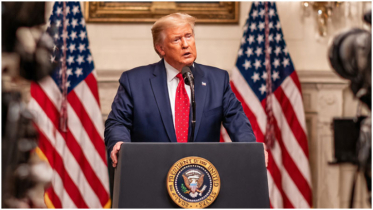
Trump warned that unless Iran agrees to a deal, including reopening the Strait of Hormuz, US forces could strike major oil and energy infrastructure. However, reports suggest he may still be open to ending the war even if the strategic waterway remains partially closed.
Iran has pushed back, with lawmakers moving to impose tolls on ships using the strait and banning vessels linked to the US and Israel, tightening control over a route vital to global energy supplies.
Israeli Prime Minister Benjamin Netanyahu said military operations are beyond the halfway point but gave no timeline for an end to the conflict. Meanwhile, diplomatic efforts continue, with countries like Pakistan attempting to mediate talks, though Tehran denies any direct negotiations with Washington.
The war has also intensified in Lebanon, where ongoing strikes have caused casualties, including among UN peacekeepers. Global concern is rising as the conflict disrupts energy markets and raises fears of a wider regional escalation, with potential impacts on the global economy.
.png)