Bangladesh steps up plans to send skilled workers to Japan

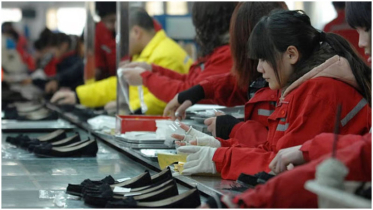
Bangladesh has intensified preparations to send a large number of skilled workers to Japan under the Specified Skilled Worker (SSW) programme, as Japan continues to face a shortage of qualified manpower.
Japan has set a target to recruit 820,000 foreign workers across 16 sectors under the SSW category by March 2029. Officials and experts believe Bangladesh could supply up to 40 percent of that demand, which would amount to more than 300,000 workers, if proper preparations are made.
Previously, Bangladesh was able to send workers in only six categories. The government is now working to train manpower for all 16 sectors covered under the Japanese programme.
Professor Dr Md Jahangir Alam, chairman of the Japanese Studies Department at Dhaka University, described Japan as an attractive destination for Bangladeshi workers. He said that with stronger skill development and preparation, Bangladesh could meet a significant share of Japan’s labour demand while increasing foreign currency earnings.
According to reports cited by the labour welfare wing of the Bangladesh Embassy in Tokyo, Japan aims to recruit around 1.2 million foreign workers under both the Employment Skill Development and SSW categories by March 2029.
Long-term forecasts suggest Japan may need as many as 11 million foreign workers by 2040.
Professor Jahangir said Bangladeshi workers must gain Japanese language skills and familiarity with modern technology before migration. He added that building trust in Japanese society could open even more opportunities in the future, with Bangladesh potentially supplying 50 to 60 percent of labour demand by 2040.
To achieve this, the government has launched short-term, medium-term, and long-term plans. These include improving Japanese language training centres, increasing trainer capacity, bringing instructors from Japan, creating special economic zones for skill development, and expanding training programmes nationwide.
Technical Training Centers under the Bureau of Manpower, Employment and Training are also being upgraded to Japanese standards through partnerships with Japanese institutions.
At present, Japanese language training is available in 53 TTCs, while hybrid online training is offered in 15 centres. More than 200 private language institutes are also operating across the country.
Bangladesh currently has 95 approved recruiting agencies authorised to send workers to Japan.
To remain competitive with countries such as Nepal, Vietnam, and Indonesia, Bangladesh has increased its institutional focus on the Japanese labour market.
A dedicated Japan Cell has been established within the Ministry of Expatriates’ Welfare and Overseas Employment. Plans are underway to strengthen the unit, recruit staff, and launch a separate website.
The Bangladesh Embassy in Tokyo has also been expanded with additional staff, including support personnel and Japanese nationals, to better understand local demand and facilitate employment opportunities.
The government is also promoting student migration to Japan. Around 4,000 Bangladeshi students went to Japan on student visas in 2025, while the target for 2026 has been set at 10,000.
To support students, Probashi Kallyan Bank is offering loans of up to Tk1 million on easy terms. Students in Japan are allowed to work more than 28 hours per week.
In addition, the requirement for manpower agencies to deposit Tk1.5 million has been waived to simplify the recruitment process.
Deputy Secretary Md Hedayetul Islam Mondol said Bangladesh has taken practical steps to expand access to Japan’s labour market, including stronger bilateral engagement, training initiatives, easier loan access, streamlined payment systems, and updated guidelines.
Officials say these efforts are helping transform Japan into a major employment destination for Bangladeshi workers while ensuring workers are properly trained in both professional skills and language before departure.
.png)