Oil prices climb as markets remain wary over Strait of Hormuz crisis

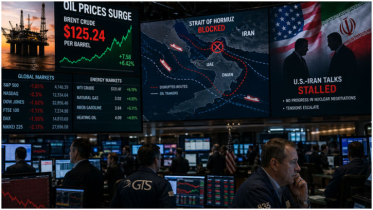
Oil prices continued to rise on Tuesday despite Iran proposing to reopen the Strait of Hormuz in exchange for delaying nuclear negotiations with the United States.
Brent crude, the global benchmark, gained more than 1 percent and reached $109.42 per barrel by 03:30 GMT. The price is now 11 percent higher than it was a week ago, after previously closing below $100.
Traders remained cautious, with concerns persisting over disruptions in the strategically important waterway that handles a major share of global energy shipments.
The latest increase came after Iranian Foreign Minister Abbas Araghchi reportedly shared proposals through Pakistan aimed at reopening the strait amid stalled peace talks between Tehran and Washington.
The United States has not publicly responded to the proposal, which would postpone discussion of Iran’s nuclear programme until a later stage.
Over the past two months, Iranian threats against commercial vessels have sharply reduced shipping traffic through the strait, slowing the movement of oil and natural gas supplies worldwide.
According to ship-tracking data monitored by maritime intelligence firm Windward, only eight vessels crossed the strait on Sunday, down from 19 the previous day.
Before the conflict involving the US, Israel, and Iran began on February 28, the Strait of Hormuz saw an average of 129 vessels passing through each day, according to UN Trade and Development data.
Goldman Sachs estimates that the blockade and attacks on regional energy infrastructure have cut global oil production by 14.5 million barrels per day.
Shipping and logistics specialists warn that even if a deal is reached soon, it could take months for global energy flows to fully recover. They cite delayed cargoes, infrastructure damage, and the need to remove Iranian mines from the waterway as major obstacles.
.png)