US-Iran peace hopes fade after Trump cancels talks

Hopes for a diplomatic breakthrough in the conflict between the United States, Israel and Iran weakened at the start of the new week as negotiations remained stalled and both sides refused to ease their demands.
Iranian Foreign Minister Abbas Araqchi ended a weekend visit to Pakistan, which has been acting as a mediator, without progress. At the same time, US President Donald Trump canceled a planned trip to Islamabad by envoys Steve Witkoff and Jared Kushner, delivering another setback to peace efforts.
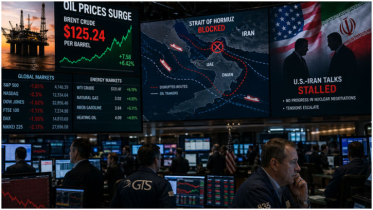
The continuing deadlock keeps the world’s largest economy and a major oil-producing nation locked in confrontation, a situation that has already pushed global energy prices higher, increased inflation concerns and weighed on economic growth prospects.
Iranian President Masoud Pezeshkian told Pakistani Prime Minister Shehbaz Sharif that Tehran would not accept what he described as forced negotiations under threats or blockades, according to Iranian officials.
He said the United States must first remove what Iran called operational obstacles, including the blockade on Iranian ports, before meaningful talks could begin.
Iranian officials said Araqchi’s Pakistan trip was productive, but sources indicated Tehran would not agree to what it views as excessive US demands.
Trump told reporters in Florida that he canceled the envoys’ visit because the proposed talks were not worth the time and expense given what he described as an insufficient Iranian offer. He later said Iran had offered concessions, but not enough.
In comments on social media, Trump also claimed there was internal division and confusion within Iran’s leadership.
Iranian leaders rejected those claims, with Pezeshkian saying the country was united behind Supreme Leader Ayatollah Ali Khamenei. Other senior Iranian officials repeated that message in recent days.
Regional tensions also rose after Israeli Prime Minister Benjamin Netanyahu ordered strikes on Hezbollah targets in Lebanon, placing additional strain on a three-week ceasefire there.
Meanwhile, Iran has largely restricted traffic through the Strait of Hormuz, a vital route for global oil and gas shipments, while Washington continues efforts to block Iranian oil exports.
Earlier, White House Press Secretary Karoline Leavitt said the US had seen some progress from Iran and that Vice President JD Vance was prepared to travel to Pakistan for talks.
The conflict began on February 28 with US-Israeli airstrikes on Iran. Since then, Iran has launched retaliatory strikes on Israel, US military bases and Gulf states.
.png)