Stocks rise and oil drops amid reports of potential Middle East ceasefire
Global markets moved higher on Wednesday while oil prices declined, as reports suggested the United States is pushing for a temporary ceasefire in its conflict with Iran. The proposal, which reportedly includes a 15-point plan and a month-long pause in fighting, has raised hopes that oil exports from the Persian Gulf could resume.
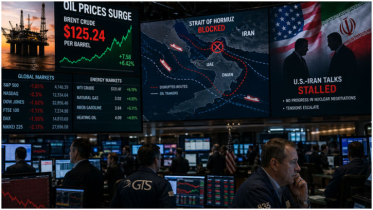
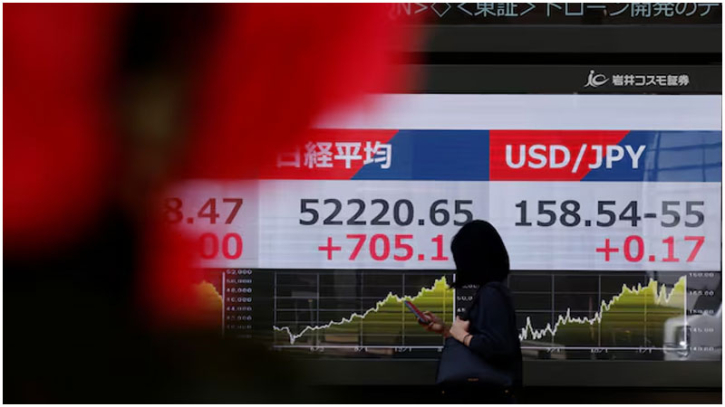
Stock futures reflected growing optimism, with S&P 500 futures up 0.9% during Asian trading and European futures climbing 1.2%. Meanwhile, Brent crude fell 6% to around $98.30 per barrel. Equity markets across Australia, South Korea, and Japan each gained 2% in early trading. Gold prices also rose 1.6% after recent profit-taking.
Despite the positive momentum, analysts warned that markets are reacting quickly to headlines without clear confirmation of progress. Uncertainty remains about whether a ceasefire will materialize and what it would mean for oil shipments through the Strait of Hormuz.
U.S. President Donald Trump stated that negotiations are making progress and hinted at a key concession from Tehran. Reports indicate that Washington has shared a settlement proposal, though Iranian officials have denied direct talks. Israeli media suggested the U.S. is aiming for a temporary ceasefire to allow further discussions.
While sentiment has improved since earlier in the week, investors remain cautious. Oil prices are still up about 35% since the conflict began, hovering near levels that are straining economies, especially in Asia where fuel costs have surged.
Currency markets showed modest movement, with the U.S. dollar slightly weaker, trading near 158.8 yen and $1.1620 per euro. Bond markets also reflected a cautious shift, as yields on U.S. Treasuries declined, indicating rising bond prices.
At the same time, expectations remain that central banks in Europe, the U.K., Japan, and Australia may continue raising interest rates to combat inflation, while no further rate cuts are anticipated in the United States.
Market participants are hesitant to fully commit to the rally, given the fragile nature of headline-driven movements. Ongoing military activity in the region adds to the uncertainty, with reports that the U.S. may deploy additional troops.
Elsewhere, concerns are emerging in credit markets. Signs of stress in private debt funds have unsettled investors, highlighted by a major asset manager limiting withdrawals from one of its funds. This has contributed to a decline in its share price, which has fallen significantly this year.
Overall, while markets are responding positively to the possibility of de-escalation, uncertainty around the conflict and broader financial risks continues to keep investors on edge.
.png)