Oil rebounds as Iran denies US talks, supply fears linger
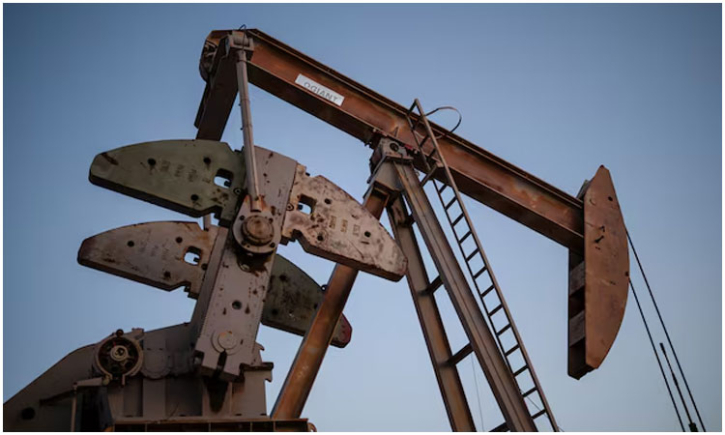
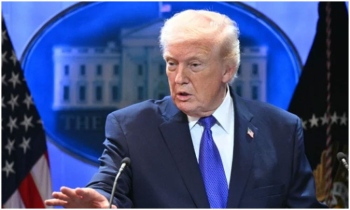
Oil prices rose on Tuesday as concerns over supply disruptions resurfaced after Iran denied holding talks with the United States to end the Gulf conflict, contradicting claims by President Donald Trump.
Brent crude jumped 4 percent to $103.94 a barrel, while US benchmark West Texas Intermediate climbed 4 percent to $91.62. The gains followed a sharp drop of more than 10 percent on Monday after Trump announced a five-day delay in planned US strikes on Iranian power plants, citing progress in talks with Iranian officials.
Analysts said the delay temporarily reduced the “war premium” in oil prices, but uncertainty remains high as the Strait of Hormuz continues to face disruption. The key shipping route, which carries about one-fifth of global oil and liquefied natural gas, remains largely constrained, although two tankers bound for India managed to pass through on Monday.
Tehran rejected Washington’s claims of negotiations, calling them an attempt to influence markets. Iran’s Revolutionary Guards also said they had carried out attacks on US targets and dismissed Trump’s comments as psychological tactics.
Market analysts expect oil prices to remain elevated, with forecasts suggesting Brent could stay between $85 and $110 in the near term, and potentially rise to $150 if the Strait of Hormuz remains blocked through April.
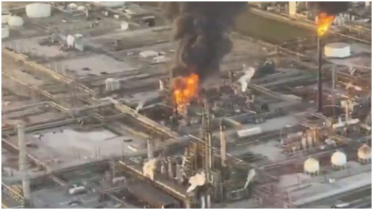
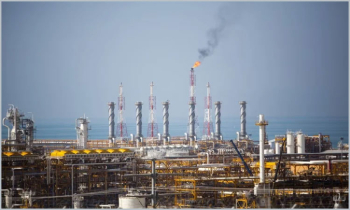
Fresh attacks on energy infrastructure added to concerns, with reports of strikes on gas facilities in the Iranian cities of Isfahan and Khorramshahr.
To ease supply pressure, the United States has temporarily waived sanctions on Russian and Iranian oil already at sea, while traders have begun offering Iranian crude to Indian buyers at premium prices.
The International Energy Agency said it is consulting governments in Asia and Europe on the possible release of additional strategic reserves if needed.
Despite some efforts to stabilize the market, analysts warn that disruptions could persist for weeks, supporting higher oil prices and adding to global inflation risks as the conflict continues.
.png)