Bangladesh to sign 1st EPA with Japan to secure post-LDC trade access
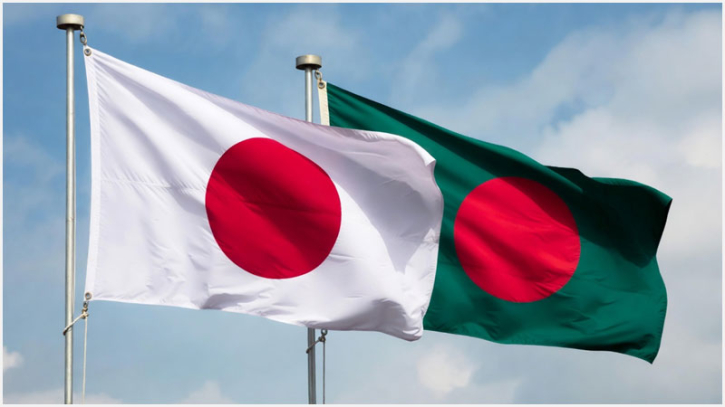
Bangladesh is set to sign its first-ever Economic Partnership Agreement (EPA) with Japan in Tokyo, marking a major step in its trade diplomacy as the country prepares to graduate from least developed country status later this year.
A delegation led by Commerce Adviser Sk Bashir Uddin is travelling to Japan to finalize the deal, which was approved by the government’s Advisory Council on January 22.
The agreement will grant Bangladeshi exporters immediate duty-free access to about 97 percent of their export basket, including ready-made garments and more than 7,300 additional products. In return, Bangladesh will provide duty-free access to 1,039 Japanese products, though automobiles will remain excluded to encourage Japanese investment in local vehicle manufacturing.
Officials believe the decision could attract significant Japanese investment into Bangladesh’s automotive and industrial sectors, potentially reshaping domestic manufacturing. Japan is already Bangladesh’s largest export destination in Asia, with exports worth around $2 billion annually, mainly garments, while imports from Japan range between $1.8 billion and $2.7 billion.
Beyond tariffs, the EPA covers trade in services, investment rules, customs cooperation and intellectual property rights. Bangladesh will open 97 service sub-sectors to Japan, while Japan will open 120 to Bangladesh, a move expected to boost technology transfer and long-term business partnerships.
Commerce ministry officials say the deal is particularly important for the garment sector, which will benefit from immediate duty-free access under Single Stage Transformation rules as Bangladesh enters a more competitive post-LDC environment. Japanese investment in Bangladesh currently stands at roughly $500 million, with several firms already operating in the dedicated Japanese economic zone in Araihazar.
Negotiations between the two countries began in earnest in 2022 and accelerated after a joint study group was formed. Momentum increased in 2025, culminating in final approvals from both governments. Japan has also pledged to maintain duty-free access for Bangladeshi exports until 2029 through the World Trade Organisation framework.
Analysts say the agreement signals Bangladesh’s readiness to deepen economic ties with major global partners and could enhance its image among foreign investors. Economists and policy experts note that the long-term benefits will depend on effective implementation and the country’s ability to attract export-oriented investments, particularly in emerging manufacturing sectors.
.png)