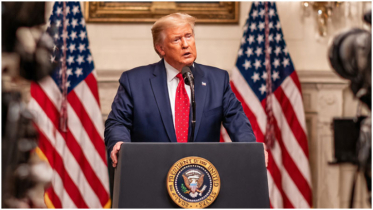
Trump proposes $1.5tn defense budget amid rising Iran war costs

US President Donald Trump has proposed a massive $1.5 trillion defense budget for 2027, citing escalating costs from the ongoing conflict with Iran and growing global security demands.
The plan would increase Pentagon spending by more than 40 percent in a single year, marking the sharpest rise since World War II. The proposal aims to sustain military operations and replenish depleted weapons stockpiles as the war enters its fifth week.
According to US media reports, the conflict could be costing up to $2 billion per day, highlighting the financial strain even before accounting for long-term recovery and defense needs.
To help fund the increase, Trump has suggested cutting around $73 billion from non-defense programs, arguing that federal priorities should shift toward military spending during wartime. He indicated that areas such as healthcare and social support could be handled more at the state level.
The proposal has drawn sharp criticism from Democrats, including Patty Murray, who argued that the plan prioritizes military spending over domestic needs and criticized the administration’s foreign policy direction.
The budget request, outlined in a detailed 92-page document, serves as a guideline for Congress, which ultimately holds the authority to approve, modify, or reject it. Trump is pushing for over $1.1 trillion to pass through the standard appropriations process, while seeking an additional $350 billion through a party-line mechanism.
While some Republican leaders support increased defense spending, concerns remain within both parties about rising federal deficits. The United States is already running annual deficits nearing $2 trillion, with total national debt exceeding $39 trillion.
The proposal also includes increased funding for law enforcement, with a significant boost for the Justice Department, as well as a smaller allocation to revive the historic Alcatraz Island prison project.
Despite concerns over costs, key lawmakers such as Roger Wicker and Mike Rogers have supported the plan, calling it a strong signal to allies and partners to strengthen their own defense commitments.
The proposal is expected to trigger intense debate in Congress over spending priorities, deficits, and the long-term implications of the Iran conflict.
.png)