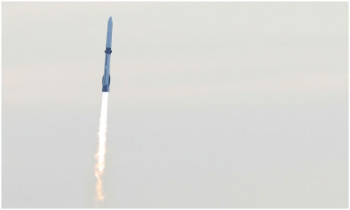
NASA launches Artemis II astronauts on historic return toward the Moon

NASA has launched four astronauts on the Artemis II mission, marking the first crewed journey toward the Moon in more than 50 years and a major step in plans to return humans to the lunar surface.
The mission lifted off from the Kennedy Space Center aboard the powerful Space Launch System rocket, carrying the Orion spacecraft into orbit. The crew includes NASA astronauts Reid Wiseman, Victor Glover, Christina Koch and Canadian astronaut Jeremy Hansen.
If successful, the nearly 10-day mission will send the astronauts around the Moon and back, testing systems while traveling farther into space than any humans before—about 252,000 miles from Earth.
The mission is the first crewed flight in NASA’s Artemis program, which aims to establish a long-term human presence on the Moon and eventually support missions to Mars. It follows an uncrewed test flight in 2022 and serves as a key rehearsal for future lunar landings planned later this decade.
NASA officials say the mission will pave the way for building a lunar base and sustaining human activity on the Moon. The agency is targeting a future landing near the Moon’s South Pole, with ambitions to return astronauts to the surface for the first time since the Apollo program ended in 1972.
Shortly after launch, the Orion capsule successfully separated from the rocket’s upper stage and began early maneuvering tests to ensure it can be controlled manually if needed.
The launch also represents a milestone for the SLS rocket program and its contractors, including Boeing and Northrop Grumman, confirming the system’s readiness to carry humans safely into deep space.
Meanwhile, private companies like SpaceX, led by Elon Musk, and Blue Origin, founded by Jeff Bezos, are working on lunar landers that will support future missions.
US President Donald Trump praised the astronauts during a national address, calling them “brave people” as they embarked on the historic journey.
The Artemis II mission now moves forward as a critical step in a renewed global race to the Moon, with the United States aiming to land astronauts again before China’s planned crewed mission later in the decade.
.png)