US proposes critical minerals trade bloc with allies to counter market disruptions
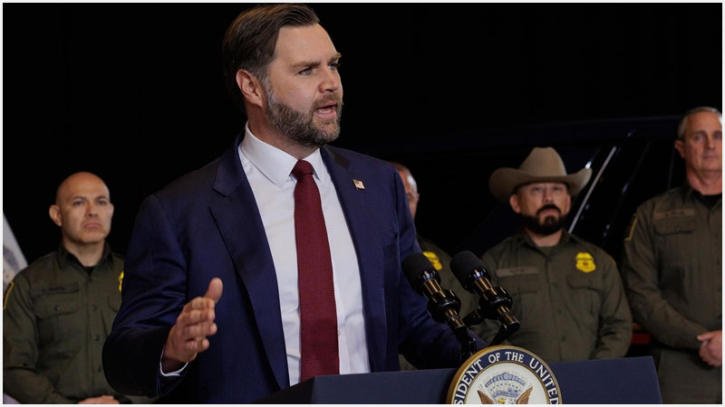
The United States is pushing to create a “preferential trade zone” for critical minerals with partner nations, aiming to strengthen supply chains and prevent heavily subsidized products from destabilizing domestic markets. The proposal was outlined by Vice President JD Vance during a ministerial meeting in Washington attended by delegations from more than 50 countries.
Although no country was directly named, the initiative comes amid longstanding concerns among the US and its allies about China’s dominant role in global critical mineral production and pricing. Vance said the proposed bloc would help prevent low-cost imports from undermining local manufacturers and would promote fair competition across the sector.
Under the plan, participating countries would agree on reference prices for critical minerals at each stage of production. These prices would act as minimum thresholds, supported by adjustable tariffs designed to keep market prices aligned with what US officials describe as fair market value. The administration argues that such measures would protect members from sudden external shocks and stabilize the global supply chain.
Secretary of State Marco Rubio emphasized that countries without their own mineral resources could still participate by contributing to processing, refining, or manufacturing stages. He said the goal is to create a resilient and diverse global market where each participating nation plays a specialized role, whether as a producer, processor, or major consumer.
US officials say the proposed trade zone is intended to ensure long-term supply security, maintain competitive markets, and make critical mineral products more accessible and affordable for countries involved.
.png)