IMF adds new conditions to Pakistan's $7bn bailout
The International Monetary Fund (IMF) has introduced 11 additional conditions to Pakistan’s $7 billion bailout programme, bringing the total number of conditions to 75 over the past two years.
Among the key requirements, the government must ensure that the 2026–27 budget is approved by parliament in line with IMF agreements. Muhammad Aurangzeb has assured the lender that the country will present a fiscally disciplined budget and avoid targeting high economic growth in the next fiscal year.
Pakistan has also committed to amending laws related to Special Economic Zones and Special Technology Zones by June 2027, aiming to gradually phase out tax incentives and shift towards a cost-based incentive structure. Additionally, export processing zones will be barred from selling goods in the domestic market by September this year.
The IMF conditions also focus on improving the business climate. A Pakistan Regulatory Registry will be established to streamline business regulations, while foreign exchange restrictions will be gradually eased under a roadmap prepared by the central bank.
Energy sector reforms remain a major focus, with the government agreeing to regularly adjust electricity and gas prices in line with costs, including quarterly tariff revisions and monthly fuel price adjustments.
Further conditions include reforms in tax administration by the Federal Board of Revenue, changes in public procurement rules to ensure fair competition, and an increase in financial support under the Benazir Income Support Programme to help low-income households cope with rising costs.
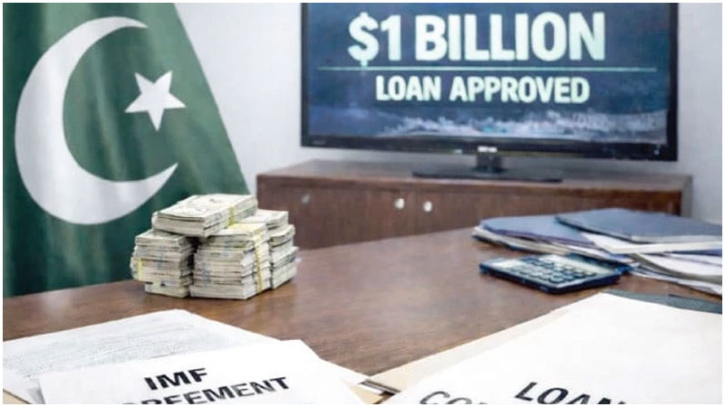
So far, $3 billion of the bailout has been disbursed, with another $1 billion tranche expected in early May.
.png)