Rupee falls below 90 per dollar as tariffs and capital outflows intensify pressure
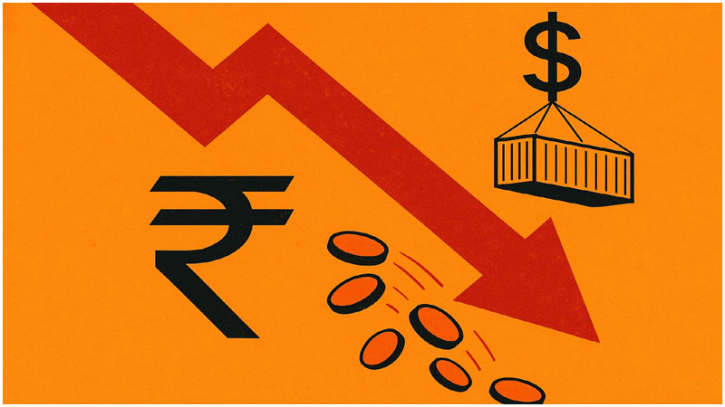
The Indian rupee slipped past the psychologically significant 90-per-dollar mark on Wednesday, extending an eight-month weakening streak driven by trade-related dollar outflows, investment exits and aggressive hedging by companies bracing for further depreciation.
Down 5 percent against the dollar so far this year, the rupee has become one of Asia’s worst-performing currencies. Higher US tariffs of up to 50 percent on Indian goods have hit exports to India’s largest market, dampening foreign investor sentiment toward Indian equities. The currency’s slide from 85 to 90 has taken less than a year, far quicker than the time it took to drop from 80 to 85.
India has suffered one of the highest levels of portfolio outflows globally, with foreign investors selling nearly 17 billion dollars’ worth of domestic equities so far this year. This slowdown in portfolio investment has coincided with weakened foreign direct investment, further weighing on the currency.
Gross investment inflows remain strong at 6.6 billion dollars in September, but heavy exits from India’s vibrant IPO market have contributed to net outflows as private equity and venture capital firms cash out. Net FDI turned negative for a second straight month in September due to increased outward investment and repatriation, according to the Reserve Bank of India’s (RBI) November bulletin.
India’s merchandise trade deficit reached a record high in October, pushed up by higher US tariffs and a spike in gold imports. Meanwhile, dollar inflows from overseas borrowings and non-resident Indian bank deposits have slowed.
Bankers and traders said each stage of the rupee’s decline — including Wednesday’s breach of the 90 level — has triggered fresh dollar demand from importers, while exporters continue to delay selling their dollar earnings. This persistent imbalance has left the rupee vulnerable in the absence of meaningful capital inflows.
Economists at HSBC said the rupee tends to act as a shock absorber for the economy, noting that a gradual weakening helps offset the impact of elevated tariffs. However, prolonged uncertainty over trade negotiations between India and the United States has distorted the foreign-exchange hedging environment, prompting importers to hedge more aggressively while exporters hesitate.
Although the RBI has intervened at intervals to slow the rupee’s fall, bankers say strong and continuous dollar demand — driven by capital outflows and importer hedging — continues to pressure the currency. This is reflected in declining foreign-exchange reserves and a rise in the central bank’s short dollar positions in the forward market, which have climbed to a five-month high of 63.4 billion dollars.
.png)