Venezuela to export up to $2bn in crude to the US; Trump says
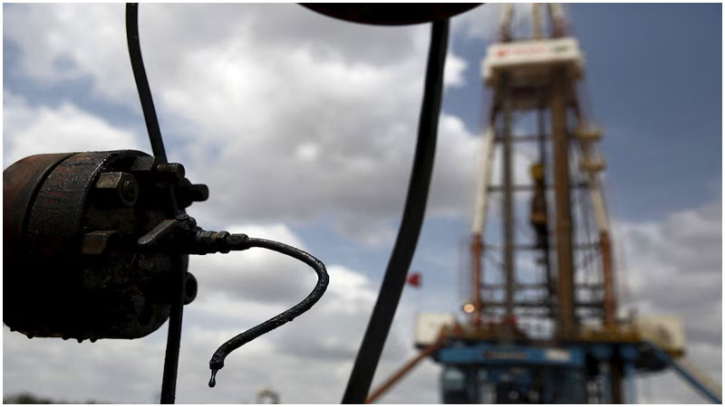
The United States and Venezuela have reached an agreement that would see as much as $2 billion in Venezuelan oil sold into the U.S. market, President Donald Trump announced Tuesday. The move shifts oil supplies away from China and may help Venezuela slow the production cuts caused by export restrictions.
The deal signals that Caracas is responding to Washington’s push to open up its oil sector or face tougher pressure. Trump has said interim leader Delcy Rodriguez must grant U.S. companies greater access to the nation’s energy resources.
Millions of barrels of Venezuelan crude remain stuck on tankers or in storage because of a U.S.-ordered export freeze imposed in mid-December. That was part of escalating American actions against the government of Nicolas Maduro, which peaked with U.S. troops detaining Maduro over the weekend. Venezuelan officials have described the detention as a kidnapping and accused Washington of trying to seize the country’s oil wealth.
Trump said Venezuela will transfer between 30 and 50 million barrels of crude previously restricted by sanctions. He added that proceeds from the sale would be controlled by him in order to benefit both countries.
Energy Secretary Chris Wright will supervise the program, Trump said, adding that barrels held offshore will be redirected to U.S. ports. Redirecting cargoes intended for China may be necessary at first, industry sources told Reuters. China has been Venezuela’s biggest buyer for the past decade, and purchases surged after U.S. sanctions in 2020 limited Venezuela’s access to Western markets.
A source said Trump is eager to show rapid progress in order to claim a victory. Venezuelan state oil company PDVSA declined to comment.
Chevron currently handles all Venezuelan flows to the U.S. under a special waiver and has been exporting up to 150,000 barrels per day despite the shipping freeze. The company may remain the key operator as new volumes come online. It is unclear whether Venezuela will receive any of the revenue directly, since sanctions prevent PDVSA from conducting financial transactions in dollars or accessing global banking systems.
Venezuela’s Merey crude has recently traded about $22 per barrel below Brent, putting the deal’s potential value near $1.9 billion. Rodriguez, sworn in as interim president on Monday, remains under U.S. sanctions herself.
Negotiators are weighing methods for selling the crude, including auctions for U.S. buyers or special licenses allowing PDVSA partners to enter supply contracts. Such waivers have previously enabled companies including Chevron, Reliance, CNPC, Eni and Repsol to receive Venezuelan barrels for refining or resale. Several of these firms have begun preparing to accept shipments again, sources said.
Officials have also talked about possibly using the oil to supply the U.S. Strategic Petroleum Reserve, though Trump did not mention that option.
U.S. Interior Secretary Doug Burgum praised the potential flow of heavy Venezuelan crude to Gulf Coast refineries, saying it would support jobs, ease gasoline prices and help Venezuela rebuild. Before sanctions were imposed, U.S. refiners were taking roughly half a million barrels per day of Venezuelan oil.
With storage near capacity, PDVSA has already cut output and will have to reduce production further unless exports restart soon, according to sources. Traders reacted immediately to the news, with Gulf Coast heavy crude discounts widening by around fifty cents a barrel.
.png)