BD seeks new fertiliser sources as MidEast conflict disrupts supply

Bangladesh is looking for alternative fertiliser sources after supply disruptions caused by the Middle East conflict involving Iran forced the Bangladesh Chemical Industries Corporation (BCIC) to cancel tenders for 200,000 tonnes of urea.
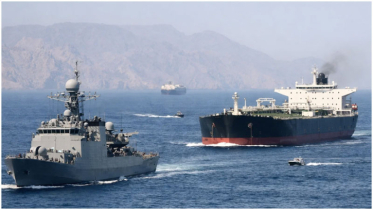
Uncertainty over safe shipping through the Strait of Hormuz has raised concerns about whether existing suppliers can deliver, prompting authorities to open international tenders to a wider pool of global bidders, including firms from Singapore.
Traditionally dependent on Middle Eastern countries such as Saudi Arabia, Qatar, and the United Arab Emirates, Bangladesh is now considering imports from China, Egypt, and Russia. Officials say Russia has emerged as a key potential supplier amid the ongoing crisis, while efforts are also underway to ensure safe shipping arrangements and address issues related to sanctions.
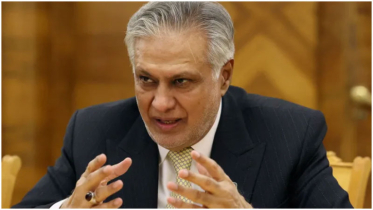
BCIC Chairman Fazlur Rahman said the new international tender aims to attract alternative suppliers and assured that there will be no fertiliser shortage during the Boro season. However, he warned that failure to secure timely urea imports could affect agricultural production during the Aman season.
Domestic production remains constrained due to gas shortages, with most fertiliser factories shut down and only the Shahjalal Fertiliser Factory currently operational. The government is working to ensure gas supply to restart the Ghorashal-Polash Urea Fertiliser Factory to ease the pressure.
Meanwhile, global fertiliser prices have surged sharply, with urea nearing $700 per tonne and other fertilisers like DAP and TSP also rising significantly. China’s export suspension and restrictions on Russian supplies have tightened global availability, intensifying competition among import-dependent countries like Bangladesh.
.png)