Pakistan agrees multibillion-dollar arms deal with Libyan National Army
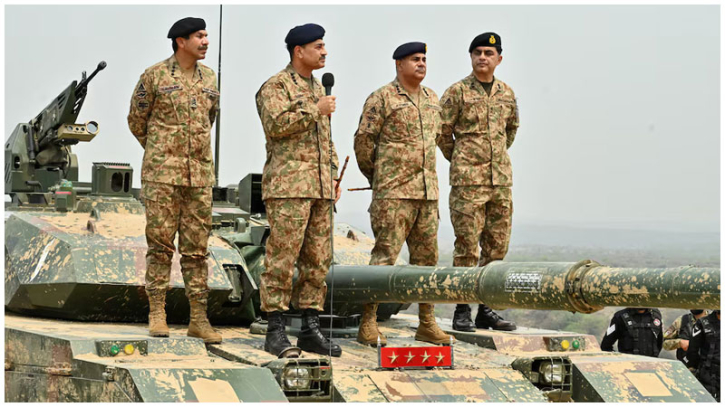
Pakistan has struck a weapons deal worth more than $4 billion with Libya’s eastern-based Libyan National Army (LNA), Pakistani officials said, despite a long-standing United Nations arms embargo on the conflict-hit North African country.
The agreement was finalised following a meeting last week in Benghazi between Pakistan’s army chief, Field Marshal Asim Munir, and Saddam Khalifa Haftar, deputy commander-in-chief of the LNA. Four Pakistani officials familiar with defence matters confirmed the deal but declined to be named due to its sensitivity.
According to officials, the agreement includes the sale of military equipment for land, sea and air forces over a period of about two and a half years. A draft of the deal seen before its finalisation listed 16 JF-17 fighter jets, jointly developed by Pakistan and China, along with 12 Super Mushak trainer aircraft. Officials said the final package may include these aircraft, though exact numbers were not disclosed. Estimates of the deal’s value ranged from over $4 billion to about $4.6 billion.
The LNA’s official media channel confirmed a defence cooperation pact with Pakistan, covering weapons sales, joint training and military manufacturing, without providing further details. Haftar described the agreement as the start of a new phase of strategic military cooperation.
Libya has remained divided since the 2011 NATO-backed uprising that toppled Muammar Gaddafi. The UN-recognised Government of National Unity controls much of western Libya, while the LNA dominates the east and south, including key oilfields.
Libya has been under a UN arms embargo since 2011, requiring prior approval for any weapons transfers. It remains unclear whether exemptions were sought, though Pakistani officials said the deal did not violate UN restrictions. A UN panel reported in late 2024 that the embargo had become largely ineffective, with foreign states increasingly providing military assistance to Libyan factions.
Pakistan has been actively expanding its defence exports, promoting its domestically produced and jointly developed military equipment as cost-effective alternatives to Western arms. Officials said the Libya deal would strengthen Pakistan’s defence industry presence in North Africa amid growing international competition for influence in the region.
.png)