TikTok secures US deal to avert nationwide ban
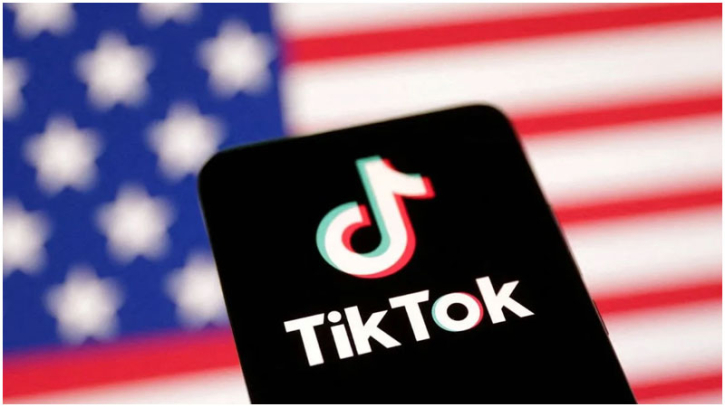
TikTok’s Chinese parent company, ByteDance, has signed binding agreements with American and international investors to restructure the app’s US operations, a move aimed at avoiding a nationwide ban over national security concerns. In a memo to employees, TikTok chief executive Shou Zi Chew said the deal would create a new joint venture in which US-based and global investors would hold a majority stake.
Under the agreement, which is expected to close on 22 January, a group of investors including Oracle, Silver Lake and Abu Dhabi-based investment firm MGX will collectively own 50% of the US business. ByteDance will retain a 19.9% stake, while affiliates of its existing investors will hold the remaining 30.1%. Oracle, which was previously identified by the White House as a key partner, is set to license TikTok’s recommendation algorithm as part of the arrangement.
The deal is designed to resolve long-standing concerns in Washington about data security and potential Chinese government influence. In April 2024, during President Joe Biden’s administration, Congress passed legislation to ban TikTok unless its US operations were sold. The ban was due to take effect in January 2025 but was repeatedly delayed by President Donald Trump as negotiations continued.
Trump said in September that Chinese President Xi Jinping had approved the deal, although uncertainty lingered following later diplomatic talks and broader US-China tensions over trade and technology. Analysts say TikTok has become a bargaining chip in the wider relationship between the two countries, with the agreement reflecting a carefully balanced compromise rather than a clear victory for either side.
Despite the announcement, the deal has drawn criticism from some US lawmakers. Senator Ron Wyden of Oregon said the arrangement would not adequately protect the privacy of American users and questioned whether the algorithm would truly be safeguarded. Under the terms, TikTok’s recommendation system will be retrained using US user data to limit external manipulation.
Some TikTok users and business owners have also expressed cautious optimism. Small business owner Tiffany Cianci, who uses the platform to market her products, said she hopes the new ownership structure will preserve the features that have helped entrepreneurs thrive. TikTok has said more than seven million US small businesses rely on the app for marketing, making its future a significant concern for many creators and sellers.
.png)