Fed likely to hold interest rates steady amid Iran war uncertainty
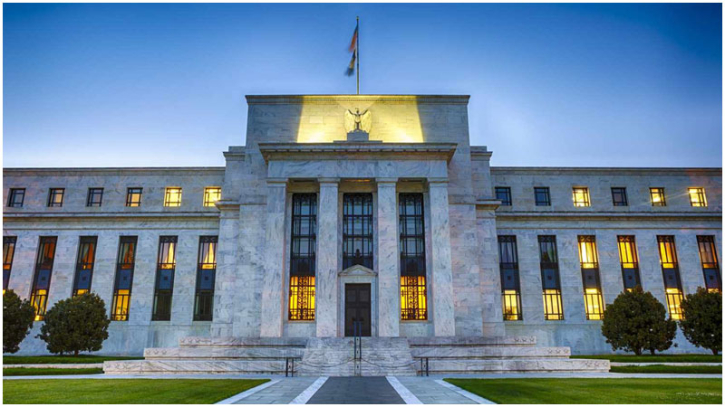
The US Federal Reserve is widely expected to keep interest rates unchanged at its policy meeting next week as the war involving Iran creates new economic uncertainty and recent data points to signs of weakness in the US economy.
The Fed will begin its two-day policy meeting on Tuesday, with its decision on the benchmark interest rate to be announced the following day. The central bank cut rates three times last year before holding them steady at its January meeting.
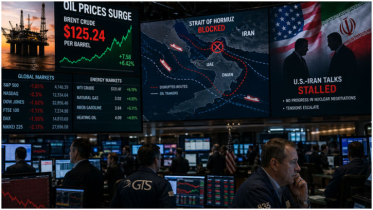
The Fed operates under a dual mandate of keeping inflation near its long-term target of two percent while maintaining maximum employment. However, rising tensions in the Middle East have pushed global oil prices higher, raising concerns about renewed inflation and slower economic growth.
Economists say such supply shocks create a difficult situation for policymakers because they tend to increase inflation while also weakening economic output. Gregory Daco, chief economist at EY-Parthenon, said the situation puts the Fed in a challenging position as it weighs its next move.
Inflation in the United States has fallen from a peak of 9.1 percent during the Covid-19 pandemic but remains above the Fed’s two percent target. Diane Swonk, chief economist at KPMG, warned that depending on how long the conflict continues, inflation could climb again and potentially exceed four percent.
At the same time, the labor market has shown signs of cooling. Government data showed the US economy unexpectedly lost 92,000 jobs in February and the unemployment rate rose to 4.4 percent. Analysts say declining labor demand and slower hiring have been partly offset by reduced labor supply due to tighter immigration policies.
Some Fed officials have suggested that the rise in fuel prices may not necessarily lead to long-term inflation. Fed Governor Christopher Waller said last week that while consumers may face higher gasoline prices, the situation may not result in sustained inflation.
Still, economists warn that uncertainty caused by the conflict and supply disruptions could slow hiring and economic activity. Recent revisions also showed weaker US economic growth in the final months of 2025.
As a result, many analysts expect the Fed to maintain current interest rates for an extended period while it assesses the economic impact of the conflict and broader market developments.
.png)